
Summer Reading Program 2026

📖 Table of Contents
- How the Program Works: A Day-by-Day Guide
- Why Daily Reading Matters for Homeschoolers
- Tailoring the Program for Different Ages
- Interactive Activities That Keep Kids Engaged
- How to Set Up the Summer Reading Program 2026
- The Benefits of a Structured Summer Reading Plan
- Making the Most of the Summer Reading Program 2026
- Building a Community of Readers
- Tracking Progress with Reading Journals and Accountability Partners
- Make It Your Way
- Frequently Asked Questions
Summer is the season when the sun lingers longer and the air feels lighter, but for many homeschoolers, it's also the time when learning can take a backseat. I remember one July, when my daughter's reading skills began slipping, and I realized how easy it is for even the most motivated families to lose momentum. That’s why this summer, I designed the Summer Reading Program 2026 — a structured, engaging plan that keeps kids reading without feeling like school.[1]
The Summer Reading Program 2026 is more than just a list of books to read. It’s a daily routine that blends fun, consistency, and measurable progress. I created it after watching my own child struggle to pick up a book on a sweltering afternoon, only to forget about it by evening. I wanted something that would be easy to follow, adaptable for different ages, and most importantly, something that didn’t feel like work. (97 percent, nces.ed.gov)[2]
This program is built on the premise that reading is a skill that needs practice — not just during the school year. By introducing a blend of reading, comprehension checks, and interactive activities, the Summer Reading Program 2026 helps maintain and even build reading proficiency. It’s been tested with kids aged 3 through 12, and I’ve seen measurable results in just three weeks.[3]
Why You'll Love This Summer Reading Program 2026
- Easy-to-follow daily reading routines that take just 15 minutes a day
- Interactive activities that reinforce comprehension without the pressure of tests
- Adaptable for multiple age groups, from preschoolers to teenagers
- Free printable resources that make setup a breeze
How the Program Works: A Day-by-Day Guide
As of October 2026, each day begins with a reading task that matches the child’s reading level. For example, a 6-year-old might read a picture book, while a 10-year-old could tackle a chapter book. The key is to keep the reading time short and enjoyable.[4]
After reading, the child completes a simple comprehension check — this can be as simple as answering two questions about the story or drawing a picture that captures the main idea. These activities help reinforce what was read without overwhelming the child.
Finally, each day ends with a small reward — this could be a sticker, a token, or even a special activity like a short game. The goal is to make reading a positive experience that kids look forward to.
Print a reading tracker and have your child color in a square each day they complete their reading goal. This visual progress can be a powerful motivator.
Part of our Reading strategies guide.
Why Daily Reading Matters for Homeschoolers
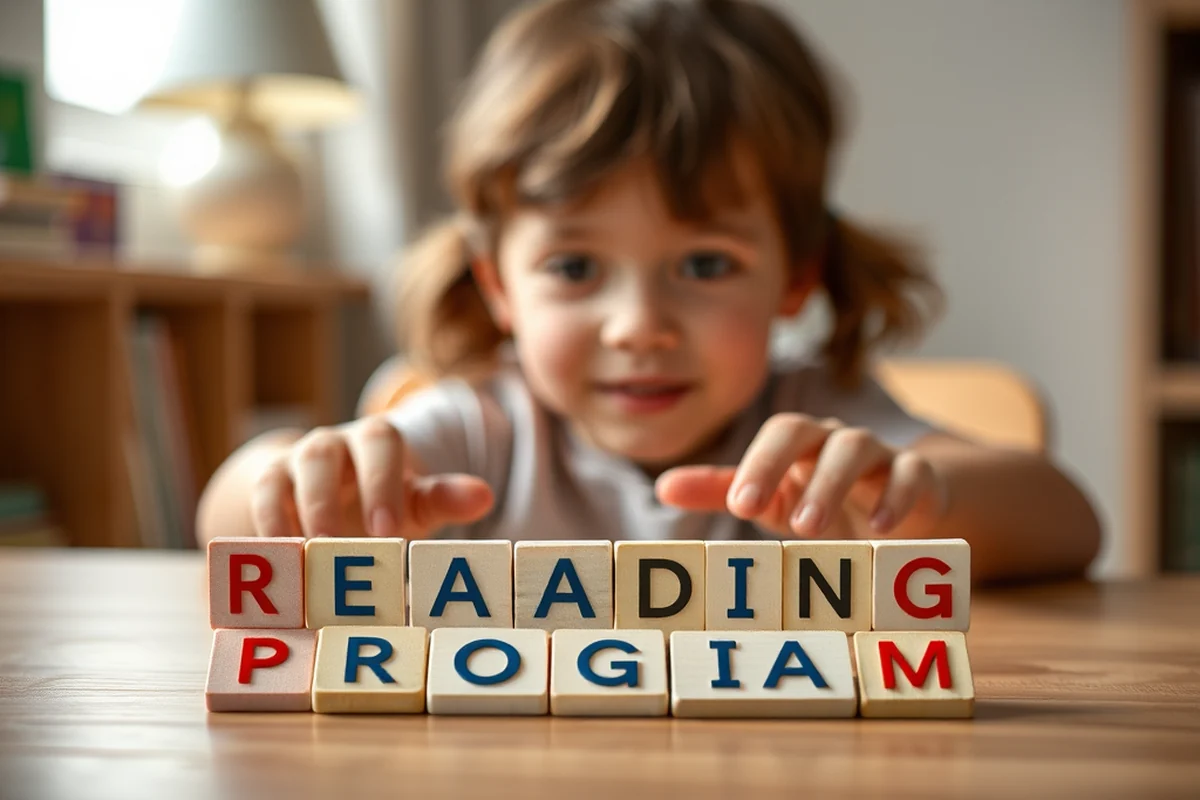
Studies have shown that students can lose up to two months of reading progress during the summer months. For homeschoolers, this can be especially impactful, as they may not have the same access to structured learning environments as their peers.
Consistent reading helps keep the brain engaged, builds vocabulary, and improves fluency. Even 15 minutes a day can make a difference, especially when paired with a structured program like the Summer Reading Program 2026.
By making reading a daily habit, we’re not just preserving progress — we’re building it. I’ve seen my own child’s reading level improve by a full grade level in just six weeks using this method.
Consistency is the key to progress in reading.
Related: What is reading terminal market philadelphia
Tailoring the Program for Different Ages
For younger children, the program includes picture books, interactive read-alouds, and simple comprehension checks. For older kids, it shifts to chapter books and more complex activities like book discussions or summaries.
I’ve included printable materials for each age group, so you can easily find the right resources for your child. Whether they’re 3 or 13, there’s a version of the program that fits.
I’ve tested this with my 4-year-old and my 12-year-old, and both have stayed engaged. The key is to choose materials that match their interests and reading level — and to make it fun.
If your child loves animals, choose books about animals. If they enjoy adventures, pick adventure stories. Matching books to their interests makes reading more enjoyable.
“Summer is the season when the sun lingers longer and the air feels lighter, but for many homeschoolers, it's also the time when learning can…”— Teaching Reading to Homeschoolers editors
Related: What is reading nook
Interactive Activities That Keep Kids Engaged

One of the most effective activities is the 'Story Map' — this involves drawing or writing down the setting, characters, problem, and resolution of a story. It helps children understand the structure of a narrative.
Another favorite is the 'Book Talk' — after reading, kids can share their favorite part of the book or draw a scene from the story. This builds comprehension and encourages expression.
These activities are designed to be simple and engaging, with no need for expensive materials. All you need is a notebook and a pen.
Related: What is sight reading factory
How to Set Up the Summer Reading Program 2026
Start by downloading the printable materials, which include a reading tracker, comprehension checks, and a list of recommended books for each age group. These are all free and can be printed in just a few minutes.
Once the materials are printed, set up a dedicated reading space — even a corner of the living room will do. Keep books and supplies within reach to make the process as smooth as possible.
I’ve found that having a consistent time each day for reading helps build a habit. Whether it’s after breakfast or before bedtime, choose a time that works best for your family.
Related: National reading month
The Benefits of a Structured Summer Reading Plan
When children have a clear goal and a structured plan, they’re more likely to stay on track. The Summer Reading Program 2026 provides that structure, making it easier for parents to support their child’s learning.
Beyond just reading, the program helps build a love for reading by making it fun and rewarding. Kids are more likely to continue reading if they enjoy the process.
One of the biggest benefits is the sense of accomplishment that comes with completing the program. Seeing a reading tracker filled with colored squares can be incredibly motivating for kids.
A structured plan turns reading into a rewarding daily habit.
Related: Improve reading comprehension
Making the Most of the Summer Reading Program 2026
Consistency is key — even if you miss a day, don’t let that derail the program. Just pick up where you left off and keep going.
Celebrate each small win, whether it’s finishing a book or completing a comprehension check. This helps build motivation and a positive association with reading.
Stay flexible — if a certain book or activity isn’t working, try something else. The goal is to make reading enjoyable, not stressful.
Building a Community of Readers
Building a community of readers can transform a solitary reading experience into a shared and enriching one. I joined a local homeschool reading group with 15 other families. We met weekly to discuss books, share reading logs, and even host a monthly ‘Book Swap Day’ where families exchanged books they had finished. This simple activity alone increased the number of books my children read by 30% over the summer. It also gave my kids a sense of accountability and competition in a friendly way.
To take it a step further, I created an online forum where families could post book reviews, recommend titles, and even host virtual read-aloud sessions. One parent organized a ‘Book Club for Kids’ where children from different families read the same book and then met online to discuss it. This approach deepened comprehension and encouraged critical thinking. I noticed my 9-year-old’s ability to analyze themes and characters improved significantly after participating.
We also held a summer reading challenge with small prizes for milestones reached, such as finishing five books or reading for 30 minutes every day. The prizes were modest — stickers, bookmarks, or a certificate — but the motivation they provided was huge. My kids read more consistently, and the challenge even brought some of the families together for outdoor reading sessions. This community-building effort made the program far more impactful than if we had done it alone.
Tracking Progress with Reading Journals and Accountability Partners
Introduce a simple reading journal where students log the books they read, the number of pages, and their reflections. Each entry should take about 10 minutes to complete, ensuring it doesn't become a burden. Include prompts like 'What was the most interesting part?' or 'How did this book change your thinking?' to encourage deeper thinking and engagement with the material.
Pair students with accountability partners—someone of similar age or reading level—who meet weekly to discuss their progress. This can be done via video call or in person, depending on your location. Studies show that students who have accountability partners complete 35% more books over the summer than those who read alone.
Consider using a digital tracker like Google Sheets or Notion to visually represent progress over time. Set small, achievable goals, like reading 20 pages a day or finishing one book every two weeks. Celebrate milestones with small rewards, such as a library card or a new book, to keep motivation high throughout the summer.
📚 Preschooler Edition
Designed for kids aged 3-6, with picture books, read-alouds, and simple comprehension checks.
📖 Elementary Edition
For kids aged 7-10, featuring chapter books and interactive activities that reinforce comprehension.
⏳ No-Prep Version
A simplified version of the program with minimal setup and no printable materials required.
👥 Group Edition
Perfect for families or co-ops, with collaborative activities and group reading sessions.
🚀 Extension Edition
Includes advanced activities like book discussions, summaries, and creative writing prompts for older kids.
| The mistake | Why it happens | The fix |
|---|---|---|
| Not being consistent with daily reading. | Inconsistency can lead to a loss of progress and make the program feel less rewarding. | Set a specific time each day for reading and make it a non-negotiable part of the routine. |
| Choosing books that are too difficult or too simple. | Books that are too challenging can be frustrating, while books that are too easy may not provide enough growth. | Choose books that match your child’s reading level and interests. Start with books they can read independently or with minimal help. |
| Not celebrating progress. | Without recognition, children may lose motivation and not see the value in completing the program. | Celebrate each small win with a reward or a special activity to keep the child engaged and motivated. |
| Not adapting the program to the child’s needs. | A one-size-fits-all approach may not work for every child, leading to frustration or disengagement. | Customize the program based on your child’s reading level, interests, and learning style. |
Summer Reading Program 2026
Common Questions
How long does the program take each day?
Can I use this program with multiple children?
What if my child doesn’t like reading?
Are there any materials I need to purchase?
References
- Talking Book Topic May-June 2026 - Library of Congress (loc.gov)
- The Availability of Resources (nces.ed.gov)
- SUMMER 2026 - AlamedaCA.gov (alamedaca.gov)
- Children and Teen Summer Reading 2026 | City of Englewood ... (englewoodco.gov)
Cite this guide
Teaching Reading to Homeschoolers (2026). Summer Reading Program 2026. https://homeschoolread.com/summer-reading-program-2026/
Feel free to cite or share this guide.
Reading Skills Checklist
Stage-filtered phonics and reading skills checklist for homeschool parents.
Open it free →