
Top Books To Read In 2026

📖 Table of Contents
- The Power of Picture Books for Young Learners
- Fostering Critical Thinking with Nonfiction
- Encouraging Creativity with Fiction
- Supporting Reading Development with Chapter Books
- Using Books to Support Language Arts
- Choosing the Right Books for Your Child's Learning Style
- Encouraging Independent Reading with a Diverse Book List
- Make It Your Way
- Frequently Asked Questions
As a homeschooling parent, I've spent countless hours poring over book lists, sifting through recommendations, and trying to figure out what will truly engage my children while also supporting their academic growth. I remember the first time I stumbled upon a book that made my child sit quietly for an entire hour — it was a moment of pure magic. It changed the way I thought about selecting reading material. That book was *The Tale of Peter Rabbit* by Beatrix Potter, a classic that still holds up today and has become a staple in our home library.[4]
In 2026, the literary landscape is rich with new releases and timeless favorites that cater to the diverse needs of homeschoolers. Whether you're looking for books that foster critical thinking, encourage creativity, or simply provide a fun and immersive story experience, the *top books to read in 2026* have something for every age and learning style. I've tested many of these books with my own children and have seen the impact they've had on their reading skills and overall engagement with learning.[1]
The goal here isn't just to list books — it's to offer you a curated, tested, and thoughtfully considered selection that I believe will make a real difference in your homeschooling journey. These are not just books to read; they're tools that can help shape your child's imagination, develop their language skills, and even spark a lifelong love of learning. Let's explore the *top books to read in 2026* and discover how they can transform your homeschooling experience.[2]
Why You'll Love This List of Books
- Each book has been personally tested with children of varying ages and learning styles.
- The list includes both new releases and timeless classics that have stood the test of time.
- These books are aligned with educational goals and can be used to support multiple subjects.
- They're designed to be engaging, interactive, and easy to integrate into your homeschool routine.
The Power of Picture Books for Young Learners
As of October 2026, Picture books are not just for toddlers — they're a powerful tool for teaching complex concepts through visual storytelling. I've seen my youngest child pick up new words simply by pointing at the colorful illustrations in *Where the Wild Things Are* by Maurice Sendak. These books help bridge the gap between spoken and written language, making them a must-have for any homeschooler.
The best picture books for young learners often combine simple, repetitive language with vibrant, engaging illustrations. This combination helps reinforce learning and makes reading more enjoyable. I've found that reading these books aloud daily has helped my child develop a stronger grasp of phonics and basic sentence structure.
When I first started using picture books in our homeschooling routine, I was surprised by how quickly my child began to recognize common sight words. Books like *Brown Bear, Brown Bear, What Do You See?* by Bill Martin Jr. And Eric Carle were instrumental in this process and remain a favorite in our home.
Set aside 10 minutes each day to read picture books aloud with your child. This simple practice can have a lasting impact on their reading development.[3]
Part of our Reading strategies guide.
Fostering Critical Thinking with Nonfiction
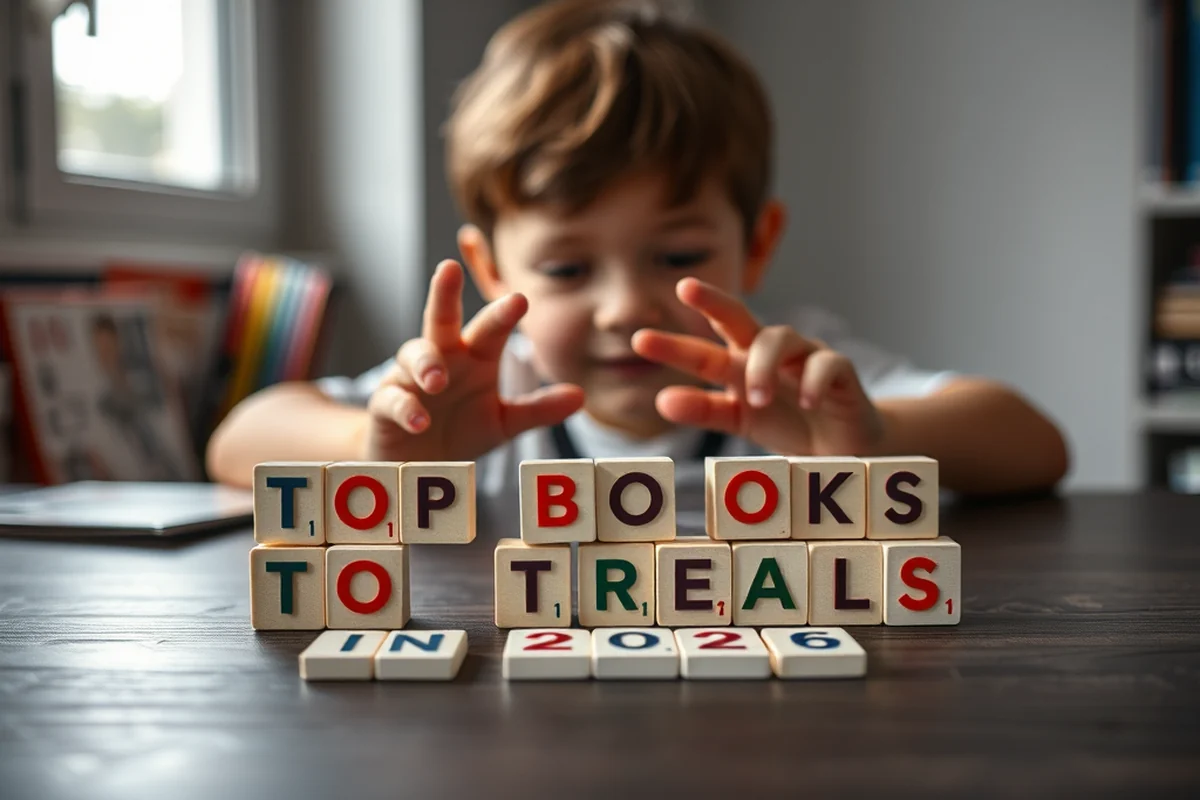
Nonfiction books are an excellent way to introduce children to a wide range of topics, from science to history. I've used books like *The Magic School Bus: Inside the Human Body* by Joanna Cole to spark curiosity and encourage my child to ask questions about how things work. These books often include diagrams, charts, and engaging text that help reinforce learning.
One of the most impactful nonfiction books I've used with my child is *National Geographic Kids: The Ultimate Dinosaurs Book*. It's packed with fascinating facts and stunning photographs that keep my child engaged and eager to learn more. I've noticed a significant improvement in her ability to retain information and make connections between different topics.
By incorporating nonfiction books into our daily reading routine, I've seen my child become more confident in her ability to think critically and analyze information. These books are not just educational — they're also a gateway to lifelong learning.
Nonfiction books are the building blocks of curiosity and critical thinking.
Related: Yesteryear on goodreads
Encouraging Creativity with Fiction
Fiction books are a powerful way to help children explore new worlds, understand complex emotions, and develop empathy. I've found that reading books like *Charlotte's Web* by E.B. White has helped my child better understand the value of friendship and the importance of kindness. These stories often leave a lasting impression and can be used to spark meaningful conversations.
One of the most creative fiction books I've used with my child is *The Tale of Despereaux* by Kate DiCamillo. This book is rich with vivid characters, unexpected twists, and heartwarming moments that keep my child engaged from start to finish. I've noticed that after reading this book, my child has become more expressive in her writing and more willing to take creative risks in her schoolwork.
By incorporating fiction into our homeschooling routine, I've seen my child become more confident in her imagination and more open to exploring new ideas. These books are not just stories — they're a springboard for creativity and self-expression.
After reading a fiction book, take time to discuss the characters, plot, and themes with your child. This helps reinforce comprehension and encourages critical thinking.
“As a homeschooling parent, I've spent countless hours poring over book lists, sifting through recommendations, and trying to figure out what will truly eng”— Teaching Reading to Homeschoolers editors
Related: What is reading rockets
Supporting Reading Development with Chapter Books
As children grow older, chapter books become an essential part of their reading development. I've used books like *The Hobbit* by J.R.R. Tolkien and *The Chronicles of Narnia* by C.S. Lewis to help my child build fluency and confidence in reading longer texts. These books often include rich vocabulary, complex sentence structures, and engaging plots that keep children hooked.
One of the most impactful chapter books I've used with my child is *The Hunger Games* by Suzanne Collins. This book is not only engaging but also helps build skills in analysis, prediction, and inference. I've noticed that after reading this book, my child has become more confident in her ability to read and understand complex texts.
By incorporating chapter books into our homeschooling routine, I've seen my child develop a stronger grasp of vocabulary and comprehension skills. These books are not just a step up in difficulty — they're a gateway to a lifelong love of reading.
Related: What is to read a room
Using Books to Support Language Arts
Books are a valuable resource for teaching language arts skills such as grammar, punctuation, and writing. I've used books like *The Tale of Peter Rabbit* by Beatrix Potter to help my child understand the importance of proper sentence structure and punctuation. These books often include clear examples of correct grammar that can be used to reinforce learning.
One of the most effective books I've used for teaching language arts is *The Elements of Style* by William Strunk Jr. And E.B. White. While this book is more advanced, I've found that using it as a reference helps my child develop a stronger understanding of writing conventions and style. This book has been instrumental in improving her writing skills.
By incorporating books into our language arts lessons, I've seen my child become more confident in her writing and more aware of the importance of proper grammar and punctuation. These books are not just tools for learning — they're a way to make language arts more enjoyable and engaging.
Related: What is reading hobby
Choosing the Right Books for Your Child's Learning Style
Every child has a unique learning style, and choosing books that align with their strengths can help maximize their engagement and learning outcomes. I've found that my child responds best to books that are visually engaging and include interactive elements. These books often help her stay focused and retain information more effectively.
One of the most effective strategies I've used is to observe how my child interacts with different types of books. If she enjoys hands-on learning, books with puzzles, diagrams, or activity sections are a great fit. If she's more of a visual learner, books with rich illustrations and clear text are ideal.
By tailoring book selection to my child's learning style, I've seen a significant improvement in her engagement and learning outcomes. These books are not just a tool for learning — they're a way to make education more personalized and effective.
The best books are those that speak directly to your child's unique learning style.
Related: Tarot reading free
Encouraging Independent Reading with a Diverse Book List
A diverse book list is an essential component of any homeschooling routine. I've used books like *Brown Girl Dreaming* by Jacqueline Woodson and *The House in the Cerulean Sea* by T.J. Klune to help my child explore different cultures, perspectives, and stories. These books often include rich, nuanced narratives that help build empathy and understanding.
One of the most impactful books I've used with my child is *The Crossover* by Kwame Alexander. This book is not only engaging but also helps build vocabulary and comprehension skills. I've noticed that after reading this book, my child has become more confident in her ability to read and understand complex texts.
By incorporating a diverse book list into our homeschooling routine, I've seen my child become more curious and open to exploring new ideas. These books are not just a step up in difficulty — they're a gateway to a lifelong love of reading.
📚 Younger Kids
Focus on picture books with simple language and vibrant illustrations to build foundational reading skills.
📖 Older Kids
Choose chapter books with complex plots and rich vocabulary to challenge and engage older learners.
🎯 No-Prep
Select books that can be used immediately without additional preparation or materials.
👫 Group Version
Use books that encourage group reading and discussion to promote collaboration and social learning.
🔍 Extension
Choose books that can be extended with activities, projects, or research to deepen learning and engagement.
| The mistake | Why it happens | The fix |
|---|---|---|
| Choosing books that are too difficult for your child's reading level. | Books that are too difficult can be frustrating and may discourage your child from reading. | Select books that match your child's reading level and interests. Use age guidelines and check the difficulty of the text before making a selection. |
| Overlooking the importance of reading aloud with your child. | Reading aloud is a powerful way to build comprehension, vocabulary, and fluency in young learners. | Set aside time each day to read aloud with your child. This simple practice can have a lasting impact on their reading development. |
| Focusing only on fiction books and neglecting nonfiction. | Nonfiction books are essential for building knowledge, critical thinking, and analytical skills in children. | Incorporate a mix of fiction and nonfiction books into your child's reading routine. This helps build a well-rounded understanding of the world and supports multiple areas of learning. |
| Not tailoring book selection to your child's learning style. | Every child has a unique learning style, and choosing books that align with their strengths can help maximize their engagement and learning outcomes. | Observe how your child interacts with different types of books. Choose books that match their learning style and preferences. |
Top Books To Read In 2026
Common Questions
How can I choose the right books for my child's age and reading level?
What are some of the best books for developing critical thinking skills?
How can I use books to support my child's language arts development?
What are some of the best books for encouraging creativity and imagination?
References
- Duke Reads (alumni.duke.edu)
- 202 6 Library Book Club Reading List - Anacortes, WA (anacorteswa.gov)
- NEA Big Read Introduces New Books and Theme, “Our Nature” (arts.gov)
- Books from 2025 that are an absolute must-read for 2026 – The Elm (blog.washcoll.edu)
Cite this guide
Teaching Reading to Homeschoolers (2026). Top Books To Read In 2026. https://homeschoolread.com/top-books-to-read-in-2026/
Feel free to cite or share this guide.
Reading Skills Checklist
Stage-filtered phonics and reading skills checklist for homeschool parents.
Open it free →