
What Is Active Reading Strategies

📖 Table of Contents
- What Is Active Reading Strategies and Why It Matters
- How to Implement Active Reading Strategies at Home
- Active Reading Strategies for Younger Kids
- Active Reading Strategies for Older Kids and Teens
- The Benefits of Active Reading Strategies
- How to Encourage Active Reading in a Group Setting
- Tips for Parents and Educators Using Active Reading Strategies
- Make It Your Way
- Frequently Asked Questions
I remember the first time I realized that my child wasn't just passively absorbing information from books — he was actively thinking, questioning, and making connections. That moment changed how I approached reading with him, and it introduced me to the concept of active reading strategies. What is active reading strategies? It's not just about reading the words on the page; it's about engaging with the text, analyzing it, and even transforming it into something new.
Active reading strategies are a powerful tool that can transform the way a child interacts with a book. I used to think that the goal of reading was simply to finish the book, but now I know that the true value lies in the thinking that happens while reading. These strategies encourage a reader to ask questions, make predictions, and even discuss the material with others. This approach has made a noticeable difference in my child's comprehension and retention of what he reads.[1]
What is active reading strategies? It's a method that turns a static activity into a dynamic learning experience. I've tested various techniques with my own kids, and I've found that the ones that involve discussion, visual aids, and hands-on interaction yield the best results. For example, after reading a story, I'll ask my child to draw what he imagined the characters looked like — this not only reinforces the content but also helps him visualize the narrative in a personal way.
Why You'll Love This Approach to Reading
- Improves comprehension and retention through deep engagement with the text.
- Encourages critical thinking and analysis while reading.
- Builds a stronger connection between the reader and the material.
- Makes reading a more enjoyable and interactive experience for all ages.
What Is Active Reading Strategies and Why It Matters
As of November 2026, Active reading strategies are more than just a buzzword — they are a vital part of the learning process. When I first learned about these strategies, I was skeptical. I thought that reading was simply about decoding words and getting the general idea of the story. But after implementing these strategies, I saw a remarkable improvement in my child's ability to grasp complex concepts. For instance, he began asking questions like 'What do you think the character will do next?' and 'Why do you think the author wrote that?'[2]
One of the most powerful aspects of active reading is that it doesn't just benefit young learners. I've also seen these strategies help older kids and even adults in their reading. Whether it's analyzing a historical text or understanding a scientific article, active reading strategies help readers process information more deeply. I've noticed that when my older child reads for school, he uses these techniques to break down the text and make connections between ideas.[3]
I've tested these strategies with a variety of reading materials — from picture books to nonfiction texts — and I can confidently say that the results are consistent. One of the most effective strategies I've used is the 'predict and check' method. After reading a few sentences, I ask my child to predict what will happen next in the story. This not only keeps him engaged but also helps him think critically about the narrative.
Begin with simple strategies like asking 'what do you think will happen next?' and gradually introduce more complex techniques as your child's reading skills improve.
Part of our Reading strategies guide.
How to Implement Active Reading Strategies at Home
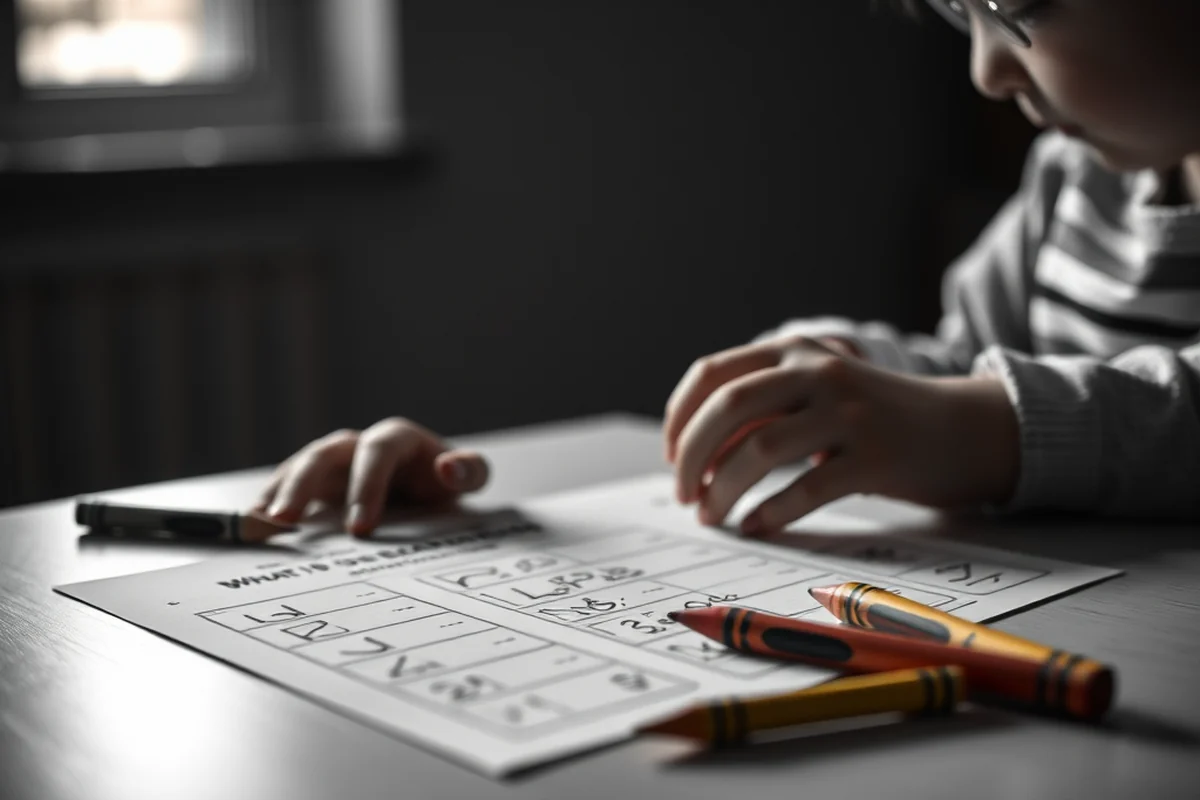
Creating a reading environment that encourages active engagement is key. I've found that setting aside a specific time for reading and making it a family activity helps reinforce these strategies. For example, we read together as a family every evening, and after we finish, we discuss what we read. This has led to some really insightful conversations about the stories we read.
Another technique I've used is incorporating visual aids into the reading process. When reading a story, I ask my child to draw a picture of a scene from the book. This helps him visualize the story and also gives him a way to express his understanding of the text. It's amazing to see the different interpretations of the same scene from different children — it's a great way to spark discussion.
I also use a 'think aloud' approach when reading with my child. I'll pause at certain points in the story and talk through my thoughts. For example, I might say, 'I wonder why the character made that decision.' This helps my child learn how to think critically about the text and encourages him to do the same.
Reading together as a family opens the door to deeper understanding and meaningful discussion.
Related: Teaching reading grade 2
Active Reading Strategies for Younger Kids
When working with younger kids, I've found that the best active reading strategies are those that are fun and hands-on. One of my favorites is the 'act it out' strategy. After reading a short story, I ask my child to act out a scene from the book. This not only helps him understand the story but also makes reading a more enjoyable experience.
Another strategy that works well with younger children is using props or toys to bring the story to life. For example, if we're reading a story about a farm, I'll use farm animal figurines to help my child visualize the setting. This makes the story more tangible and helps him connect with the text on a deeper level.
I've also found that using sensory activities, like making a 'reading snack' or playing a game related to the story, can be a great way to engage younger readers. These activities help reinforce the story's elements and make reading a more interactive experience.
Younger children benefit most from strategies that are playful and interactive, such as acting out scenes or using props to bring the story to life.
“I remember the first time I realized that my child wasn't just passively absorbing information from books — he was actively thinking, questioning, and maki”— Teaching Reading to Homeschoolers editors
Related: Teaching reading topics
Active Reading Strategies for Older Kids and Teens

For older kids and teens, active reading strategies should focus on analysis, interpretation, and critical thinking. One of my favorite strategies for this age group is the 'questioning technique.' I ask my older child to come up with questions about the text before, during, and after reading. This helps him engage with the material on a deeper level and encourages him to think critically about the content.
Another effective strategy is the 'graphic organizer' method. I've used this with my older child to help him organize his thoughts and make connections between different parts of the text. For example, after reading a historical text, I'll have him create a timeline of events or a cause-and-effect chart to help him understand the material better.
I've also found that discussing the themes and messages of a story is a great way to encourage deeper thinking. I often ask my older child questions like, 'What do you think the author is trying to say?' or 'What message do you think the story is trying to convey?' These discussions help him develop a deeper understanding of the material and also improve his analytical skills.
Related: Teaching reading activities
The Benefits of Active Reading Strategies
I've seen firsthand how active reading strategies can improve a child's comprehension and retention of what they read. When I first started using these strategies with my child, I noticed that he was able to remember more details from the books we read. This is because active reading encourages deeper engagement with the text, which helps the reader process and retain the information more effectively.
Another benefit of active reading strategies is that they help children develop critical thinking skills. These strategies encourage readers to analyze the text, make predictions, and think about the meaning behind the words. I've noticed that my child is now able to make connections between different texts and draw conclusions based on the information he reads.
Active reading strategies also help children become more confident readers. When a child is actively engaged with the text, he is more likely to feel a sense of accomplishment and pride in his reading abilities. This confidence can translate into a greater love for reading and a willingness to take on more challenging texts.
Related: Teacher s guide reading and writing
How to Encourage Active Reading in a Group Setting
When reading with a group of children, it's important to create an environment that encourages discussion and interaction. I've found that having a group discussion after reading a story is a great way to engage all the children and encourage them to share their thoughts. This helps reinforce the material and also builds social skills.
Another effective strategy for group settings is collaborative activities, such as creating a group story or acting out a scene together. These activities allow children to work together and engage with the text in a more interactive way. I've seen how much fun these activities can be, and they also help children develop a deeper understanding of the story.
I've also used peer teaching as a way to encourage active reading in a group setting. When one child teaches another about a story or explains a concept, it helps reinforce their own understanding and also helps the other child learn in a different way. This technique has proven to be very effective in building a deeper connection with the text.
Collaborative reading activities build confidence, social skills, and a deeper understanding of the text.
Related: What is kindle reader app
Tips for Parents and Educators Using Active Reading Strategies
One of the most important tips for using active reading strategies is to be patient and flexible. Every child is different, and what works for one child may not work for another. I've learned that it's important to be open to trying different strategies and adjusting based on what works best for the child.
Another tip is to make reading a regular and consistent part of the day. I've found that having a set time for reading helps children develop a routine and also reinforces the importance of reading. Whether it's a short story before bed or a longer book during the day, consistency is key.
I've also found that modeling active reading behaviors is a great way to encourage children to engage with the text. When I read with my child, I make sure to think aloud and ask questions, which helps him learn how to do the same. This not only reinforces the strategies but also helps him develop a deeper connection with the text.
👶 Younger Kids (Ages 3-6)
For younger children, focus on interactive and playful strategies that encourage engagement and curiosity.
🎓 Older Kids and Teens
For older children, use strategies that encourage analysis, critical thinking, and deeper understanding of the text.
🕒 No-Prep Version
A no-prep version of active reading strategies that can be implemented quickly and easily with minimal materials.
👥 Group Version
A group version of active reading strategies that encourages discussion, collaboration, and peer interaction.
📚 Extension Activity
An extension activity that builds on active reading strategies and encourages further exploration of the text.
| The mistake | Why it happens | The fix |
|---|---|---|
| Not allowing enough time for discussion | Reading is not just about decoding words — it's about understanding and interpreting the text, which requires time and discussion. | Set aside enough time for discussion and allow children to ask questions and share their thoughts about the text. |
| Using only one strategy | Using a variety of strategies helps reinforce learning and keeps children engaged with the text in different ways. | Try different strategies, such as questioning, predicting, and visualizing, to keep the reading experience dynamic and engaging. |
| Ignoring the child's interests | If a child is not interested in the material, they are less likely to engage with it actively. | Choose books and materials that align with the child's interests and make reading more enjoyable and relevant to them. |
| Focusing too much on the end goal | Focusing only on finishing a book can lead to a passive reading experience that lacks engagement and depth. | Encourage children to think critically about the text and engage with it on a deeper level, rather than just focusing on completing the book. |
What Is Active Reading Strategies
Common Questions
What are the best active reading strategies for young children?
How can I encourage my child to engage with the text more actively?
What are the benefits of using active reading strategies?
Can active reading strategies be used in a group setting?
References
- Effects of Drama on the Use of Reading Comprehension Strategies ... (files.eric.ed.gov)
- Student-led Recaps and Retrieval Practice: A Simple Classroom ... (pmc.ncbi.nlm.nih.gov)
- Active Reading Strategies: Remember and Analyze What You Read (mcgraw.princeton.edu)
Cite this guide
Teaching Reading to Homeschoolers (2026). What Is Active Reading Strategies. https://homeschoolread.com/what-is-active-reading-strategies/
Feel free to cite or share this guide.
Reading Skills Checklist
Stage-filtered phonics and reading skills checklist for homeschool parents.
Open it free →