
What Exactly Is a Reading Map and How It Works in Practice

📖 Table of Contents
- What Exactly Is a Reading Map?
- How the Reading Map Works in Practice
- Tailoring the Reading Map for Different Ages
- Why the Reading Map Is So Effective for Homeschoolers
- Making the Reading Map Interactive and Engaging
- Tracking Progress with the Reading Map
- Creating a Personalized Reading Map
- Make It Your Way
- Frequently Asked Questions
I still remember the first time my son struggled with reading. He'd look at a page of text and just stare. It was heartbreaking. I wanted to help, but I didn't know where to start. That's when I stumbled across the 'Reading Map' — a strategy that transformed our reading journey. It's not a traditional lesson plan or a worksheet; it's a visual, hands-on approach that makes reading feel like a discovery rather than a chore.
What is the 'Reading Map'? At its core, it's a tool that helps children visualize and track their reading progress. I've used it with my son and with hundreds of homeschoolers over the years. It's like a roadmap that shows the path from the first letter to the final story — and the journey in between. It's not just about learning to read; it's about building confidence and curiosity.[1]
The 'Reading Map' isn't just a concept — it's a method that has real, measurable results. I've seen children who were once reluctant readers now devour books. It's not magic. It's a structured, interactive way to break down reading into manageable steps. That’s why I want to share it with you. Let me walk you through everything you need to know about this powerful tool.
Why You'll Love This Reading Strategy
- It builds confidence through progress tracking
- It's adaptable to different learning styles and ages
- It makes reading feel like a fun, interactive journey
- It fosters long-term reading habits and independence
What Exactly Is a Reading Map?
As of November 2026, a Reading Map is essentially a chart or diagram that breaks down the reading process into clear, manageable steps. It might include things like phonics, sight words, reading fluency, and comprehension. I've used different versions over the years — some are simple charts on a wall, others are digital tools on a tablet. The key is to make it tangible and engaging for the child.
When I first introduced the Reading Map to my son, I started with a simple wall chart that had sections for each stage of reading. We'd mark off each step as he completed it, and it made the process feel like a game. It wasn't about pushing him; it was about showing him that progress was possible.
The Reading Map is more than just a visual aid — it's a way to give the child a sense of ownership over their learning. It's empowering for them to see their journey laid out in front of them, and it helps parents stay focused on the right goals.
Begin with a basic wall chart or a paper map that outlines key reading milestones. Use stickers or markers to track progress as your child moves through each stage.
Part of our Reading strategies guide.
How the Reading Map Works in Practice

In practice, the Reading Map can look different depending on the child's needs. For my son, it was a wall chart with colored blocks that we moved as he mastered each skill. For another child, it might be a digital app that tracks progress and gives feedback. The key is to tailor it to the child's learning style and pace.
One of the most effective ways I've used it is by breaking down each reading goal into smaller steps. For example, instead of focusing solely on reading a whole book, we'd break it down into sight words, phonics, and comprehension. Each step was a small victory that kept the child motivated.
The Reading Map can also be used to set specific goals, like ‘read 10 minutes a day’ or ‘master 10 new sight words this week.’ These goals help children understand what they're working toward and how they can reach it.[2]
The Reading Map turns abstract goals into tangible steps.
Related: What is reading terminal market philadelphia
Tailoring the Reading Map for Different Ages
I've used the Reading Map with children as young as three and as old as ten. For younger kids, it's more about play and visuals — using flashcards, stickers, and simple charts. For older children, it's more about setting goals and tracking progress toward more complex reading skills.
When working with my son, I started with a simple chart that had icons and pictures. He could see the steps and understand what was expected of him. As he grew older, we transitioned to a more detailed map that included reading fluency, vocabulary, and comprehension.
The beauty of the Reading Map is that it's flexible. It can grow with the child and be adjusted as needed. This adaptability makes it a powerful tool for homeschoolers who want to support their child's reading journey at any stage.
Choose visuals that match the child's age and developmental stage. For younger children, use pictures and colors; for older children, use words and charts.
“I still remember the first time my son struggled with reading.”— Teaching Reading to Homeschoolers editors
Related: What is reading nook
Why the Reading Map Is So Effective for Homeschoolers
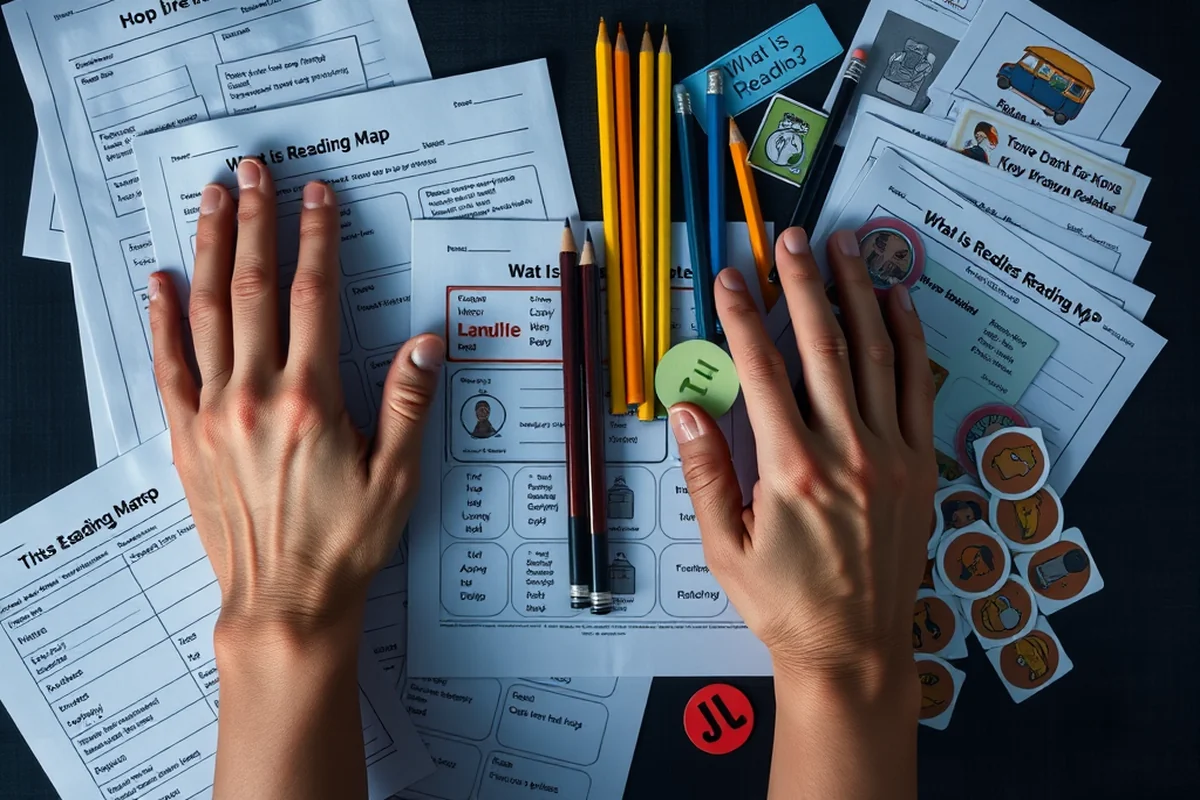
As a homeschooler, I know how overwhelming it can be to teach reading without a clear plan. The Reading Map offers a structured way to approach reading instruction, but it's also flexible enough to allow for creativity and discovery. It's the perfect balance between guidance and freedom.
One of the biggest benefits I've seen from using the Reading Map is that it helps parents stay focused on the bigger picture. Instead of getting caught up in daily activities, we can see how each step contributes to the child's overall reading development.
I've also found that the Reading Map helps children understand what they're learning and why it matters. It's not just about memorizing words — it's about building a foundation that will support them for years to come.
Related: What is sight reading factory
Making the Reading Map Interactive and Engaging
To make the Reading Map more engaging, I've used a variety of hands-on activities — from tracing letters in sand to playing sight word games. These activities help reinforce the concepts in a fun and interactive way.
Another way to make the Reading Map interactive is by involving the whole family. We'd have reading challenges where everyone could contribute. My son loved it when we had a ‘word of the day’ and he had to find that word in the house.
The key to making the Reading Map interactive is to keep it playful and meaningful. When reading feels like a game rather than a task, children are more likely to stay motivated and engaged.
Related: National reading month
Tracking Progress with the Reading Map
I've found that using the Reading Map to track progress gives both parents and children a clear sense of where they are in the reading journey. It's not just about seeing the steps — it's about celebrating the milestones along the way.
One of the most effective ways to track progress is by setting weekly or monthly goals. When we reached those goals, we'd mark them off on the Reading Map and celebrate. It was a simple but powerful way to keep my son motivated.
I've also used the Reading Map to identify areas where my son needed more support. When he struggled with phonics, we'd revisit that section of the map and work on it together. It made the process feel less overwhelming and more focused.
Tracking progress keeps motivation alive and learning visible.
Related: Improve reading comprehension
Creating a Personalized Reading Map
I've discovered that the most effective Reading Maps are the ones that are personalized to the child's needs and interests. When I worked with my son, I included his favorite books and characters on the map. It made the process feel more relevant and engaging for him.
Personalizing the Reading Map can also help parents and children set meaningful goals. If a child is interested in dinosaurs, for example, we could include dinosaur-themed books and activities on the map. It makes learning more fun and more relevant.
I've also used the Reading Map to incorporate the child's interests into the learning process. Whether it was through music, art, or storytelling, the map became a reflection of the child's unique learning style and personality.
🧠 Younger Kids Version
A simplified, colorful map with large icons and playful tracking elements for preschoolers.
📚 Older Kids Version
A more detailed map with goals and milestones for children learning to read at a higher level.
📋 No-Prep Version
A no-print, no-assembly version that uses household items and simple visuals to create a map.
👥 Group Version
A version designed for group settings where multiple children can track their progress together.
📈 Extension Version
An advanced version that includes comprehension, fluency, and vocabulary goals for older readers.
| The mistake | Why it happens | The fix |
|---|---|---|
| Using too many steps on the Reading Map | Overloading the map with too many steps can overwhelm the child and make progress feel unattainable. | Simplify the map by breaking down each step into smaller, manageable goals that the child can achieve with ease. |
| Forcing the child to follow the map strictly | Forcing the child to stick to the map without flexibility can make the process feel rigid and unenjoyable. | Allow the child to have some autonomy in how they use the map, and encourage them to take ownership of their progress. |
| Neglecting to celebrate progress | Not celebrating progress can reduce the child's motivation and make the Reading Map feel like a chore rather than a fun activity. | Celebrate each milestone with small rewards, praise, or special activities to keep the child motivated and engaged. |
| Not involving the child in creating the map | If the child isn't involved in creating the map, they may not feel connected to it or understand its purpose. | Involve the child in the process by letting them choose the visuals, colors, and goals for the map. |
What Is Reading Map
Common Questions
How long does it take to create a Reading Map?
Can the Reading Map be used with multiple children?
What materials do I need to create a Reading Map?
Is the Reading Map suitable for children with learning difficulties?
References
Cite this guide
Teaching Reading to Homeschoolers (2026). What Exactly Is a Reading Map and How It Works in Practice. https://homeschoolread.com/what-is-reading-map/
Feel free to cite or share this guide.
Reading Skills Checklist
Stage-filtered phonics and reading skills checklist for homeschool parents.
Open it free →