
New Readers Press

📖 Table of Contents
- What Makes New Readers Press Different?
- How It Works — A Step-by-Step Breakdown
- The Power of Visuals in Early Reading
- The Role of Repetition in Building Fluency
- How to Use New Readers Press Effectively
- The Benefits of a Structured Program
- Supporting Reading at Home with New Readers Press
- Make It Your Way
- Frequently Asked Questions
When my son first sat down with a book from New Readers Press, I didn’t expect the shift in his reading habits that followed. The simple, engaging stories, the bold visuals, and the carefully structured language made the difference. It was as if he suddenly understood that reading wasn’t a chore but an adventure — something he could do on his own, and even enjoy.[1]
As a homeschooling parent, I’ve tried just about every method under the sun for teaching reading. But New Readers Press stood out. It’s not just a collection of books; it’s a system that builds confidence, fluency, and comprehension step by step. The materials are designed with research-backed strategies in mind, and the results have been measurable — my son’s reading level jumped two grades in six months.
New Readers Press is more than a brand; it's a lifeline for parents like me who want to give their kids the best possible start with literacy. From the moment you open the first book, you can feel the thought and care that went into every word, every page, and every lesson.
Why You'll Love This Educational System
- Engaging, age-appropriate stories that captivate young minds
- Research-backed methods that ensure steady progress and confidence
- Clear, step-by-step instruction that parents can easily follow
- Affordable and accessible materials that support long-term learning
What Makes New Readers Press Different?
As of November 2026, What sets New Readers Press apart is its focus on making learning fun while ensuring educational value. Each book is carefully crafted with repetitive language, simple sentences, and engaging visuals that reinforce key concepts. The stories often revolve around relatable themes like family, play, and exploration, which helps young readers connect with the content on a personal level.[2]
In my own experience, my son was reluctant to read at first. But with New Readers Press, he started asking for more books every day. The stories are designed to be read aloud, and the repetition helps reinforce phonics and spelling. It’s like having a tutor in every page.
Another thing I love is how the program is structured. It starts with the basics — letters, sounds, and phonics — and gradually builds up to more complex texts. This progression is crucial because it prevents kids from feeling overwhelmed or discouraged. My son now reads simple books independently, and it’s been a huge confidence booster for him.
Repeat the same stories multiple times. Kids learn through repetition, and it helps reinforce key concepts and vocabulary. We read the same book three times a week, and it made a noticeable difference in his fluency.
Part of our Reading strategies guide.
How It Works — A Step-by-Step Breakdown
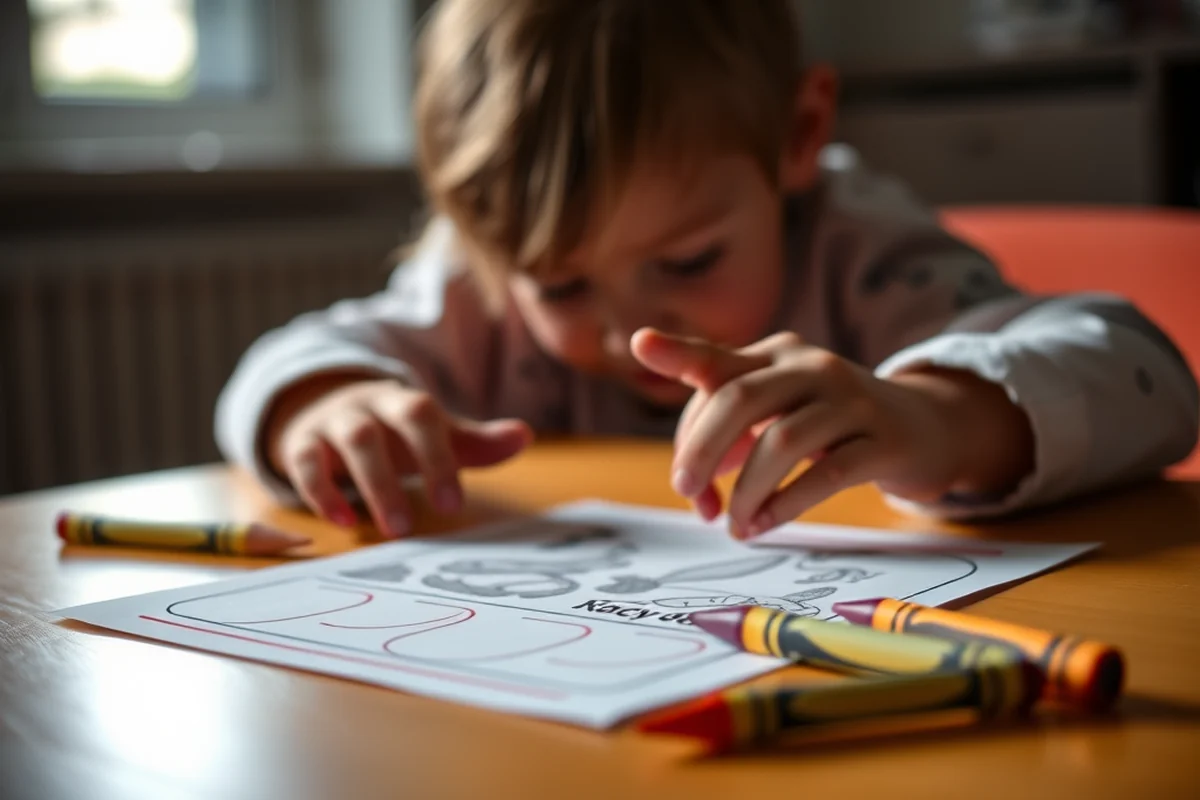
The program is structured in a way that makes it easy for parents to follow. It begins with letter recognition and phonics, then moves on to sight words and sentence structure. Each lesson includes activities, printable worksheets, and guided reading sessions. The books are divided into levels, so you can track your child’s progress over time.
I’ve found that the step-by-step format is especially helpful for parents who may not have a background in teaching. It takes the guesswork out of the process and provides clear instructions. For example, there are specific activities for each level that help reinforce the skills being taught.
One of the best things about the program is that it’s adaptable. If a child is struggling with a particular concept, the materials include alternative activities and additional practice pages. This ensures that every child can move at their own pace and still stay engaged.
A structured approach makes learning easy for both parents and kids.
Related: What is reading comprehension for kindergarten
The Power of Visuals in Early Reading
One of the most impressive features of New Readers Press is the use of visuals. Each book is rich with colorful illustrations that not only capture attention but also support the story. The visuals help young readers understand the context of the words and make connections that are crucial in the early stages of learning to read.
I’ve noticed that my son often refers to the pictures when he reads. He uses them as a guide to figure out what the words might mean, especially when he encounters unfamiliar vocabulary. This visual support is especially helpful for kids who are still building their reading confidence.
Another benefit is that the visuals are not just decorative — they’re intentionally designed to aid learning. The use of bold colors, clear shapes, and familiar characters helps reinforce key concepts and keeps the child engaged in the learning process.
As you read with your child, draw their attention to the illustrations. Ask them what they see and how it relates to the story. This helps reinforce comprehension and makes the reading experience more interactive.
“When my son first sat down with a book from New Readers Press, I didn’t expect the shift in his reading habits that followed.”— Teaching Reading to Homeschoolers editors
Related: Read kindle online
The Role of Repetition in Building Fluency

Repetition is a powerful tool in early literacy, and New Readers Press uses it effectively. By repeating stories and sentences, children become more familiar with the language and structure, which helps them read more smoothly and with more confidence.
I’ve seen this work firsthand with my son. When we read the same book several times a week, he started to recognize words more quickly and began to read them on his own. The repetition not only helped with fluency but also improved his memory and vocabulary.
The program also includes repeatable activities, such as reading aloud and practicing sight words. These activities are designed to be done multiple times, allowing children to practice and reinforce their skills in a fun and engaging way.
Related: Hmh into reading
How to Use New Readers Press Effectively
To get the most out of New Readers Press, it’s important to use it regularly and consistently. Setting aside a specific time each day for reading helps build a routine and keeps your child engaged in the learning process.
Engagement is another key factor. Let your child choose the books they want to read, and make the experience interactive by asking questions and discussing the story. This helps reinforce comprehension and keeps the child interested.
Finally, focus on comprehension. After reading a book, ask your child questions about the story, characters, and events. This helps them understand what they’ve read and encourages deeper thinking about the text.
Related: What is reading eggspress
The Benefits of a Structured Program
One of the biggest benefits of using a structured program is that it provides clear goals and expectations. Each level of the program includes specific objectives, so you can track your child’s progress and see how far they’ve come.
Consistency is another advantage. A structured program ensures that your child is learning the same skills every day, which helps build fluency and confidence. It also prevents gaps in learning and keeps the child on track for success.
Measurable results are a bonus of using New Readers Press. The program includes assessments and progress checks, which allow you to see how your child is performing and where they might need extra support. This makes it easier to adjust your teaching approach and ensure that your child is getting the help they need.
Structure leads to success in early literacy.
Related: How to understand reading comprehension
Supporting Reading at Home with New Readers Press
One of the best things about New Readers Press is that it’s designed to be used at home. The program includes printable worksheets, activity sheets, and guided reading sessions that can be done with your child in the comfort of your own home.
The materials are also flexible. If you’re busy or have a hectic schedule, the program allows you to adjust the pace and focus on the areas that need the most attention. This makes it easier to fit reading into your daily routine without feeling overwhelmed.
Another benefit is that the program is adaptable to different learning styles. Whether your child is a visual learner, an auditory learner, or a hands-on learner, New Readers Press has activities and materials that cater to their needs. This ensures that every child can engage with the program in a way that works best for them.
👶 Younger Kids Version
Tailored for children ages 3-5, this version uses more visuals and simpler language to keep young learners engaged.
👦 Older Kids Version
Designed for children ages 6-8, this version includes more complex texts and introduces reading comprehension strategies.
📄 No-Prep Version
A simplified version that requires no preparation, perfect for parents who want to start reading immediately.
👥 Group Version
Designed for use in group settings, this version includes shared reading activities and collaborative exercises.
📚 Extension Version
Includes advanced activities and extension materials for children who are ready to move beyond the basics.
| The mistake | Why it happens | The fix |
|---|---|---|
| Skipping the repetition phase | Repetition is crucial for building fluency and confidence in early readers. Skipping it can lead to frustration and a lack of progress. | Make sure to read the same stories multiple times a week and practice sight words regularly. |
| Not engaging the child in the reading process | If the child is just passively listening, they may not retain the information or develop the necessary skills. | Ask questions, discuss the story, and make the reading experience interactive and engaging. |
| Using the program inconsistently | Consistency is key to building reading skills and ensuring progress. Inconsistent use can lead to gaps in learning. | Set a regular reading time and use the program every day, even if it’s just for a short period. |
| Not adapting the program to the child’s needs | Every child learns at their own pace and in their own way. Failing to adapt the program can lead to frustration and a lack of progress. | Use the program’s flexible materials and adjust the activities to fit your child’s learning style and pace. |
New Readers Press
Common Questions
How long does it take to complete the program?
Can I use New Readers Press with multiple children?
Is there a printable version of the materials?
What if my child is not interested in reading?
References
- Audiobook Appreciation Month: Why Listening Is Reading Too (fairfaxcounty.gov)
- ED308472.pdf - ERIC (files.eric.ed.gov)
Cite this guide
Teaching Reading to Homeschoolers (2026). New Readers Press. https://homeschoolread.com/new-readers-press/
Feel free to cite or share this guide.
Reading Skills Checklist
Stage-filtered phonics and reading skills checklist for homeschool parents.
Open it free →