
What Is a Summer Reading Program and Why It Matters for Homeschoolers

📖 Table of Contents
- What Is A Summer Reading Program, Exactly?
- Why Summer Reading Matters for Homeschoolers
- How to Choose the Right Books for Your Child
- How to Track Progress Without Pressure
- What to Do if Your Child Loses Interest
- How to Motivate Your Child to Read
- How to Make Summer Reading a Family Activity
- Make It Your Way
- Frequently Asked Questions
I still remember the summer I was in second grade and my teacher handed out a list of books, each with a specific number of pages we were expected to read by August. It felt like a mountain I couldn’t climb, and I didn’t want to. That moment changed everything for me. I didn’t just read those books — I learned how to read for pleasure, how to pick books that mattered to me, and how to find joy in words. That was my first experience with a summer reading program, and it didn’t feel like a burden. It felt like a gateway.
Summer reading programs are more than just a list of books and a goal to reach. They are structured, intentional, and often tailored to a child’s age, learning style, and interests. I’ve seen these programs transform children who once loathed reading into bookworms, and they’ve done it without pressure or punishment. A good summer reading program doesn’t just keep a child’s reading skills sharp — it builds a lifelong habit of curiosity and learning.
What is a summer reading program? It’s a way to keep your child engaged, motivated, and growing in the most important skill they’ll ever learn. It’s not about finishing a certain number of books — it’s about fostering a love for stories, building vocabulary, and helping kids retain what they’ve learned during the school year. And yes, I’ve tested this with my own kids and dozens of families who have used structured summer reading plans over the years. It works.
Why You'll Love This Summer Reading Program
- It builds reading fluency and confidence in a way that feels natural and fun.
- It keeps children learning, even when school is out.
- It offers a flexible structure that can be adapted to any family or learning style.
- It helps bridge the learning gap that often appears over summer break.
What Is A Summer Reading Program, Exactly?
As of November 2026, a summer reading program is more than just a list of books and a goal. It’s a carefully designed plan that keeps children engaged in reading, even when school is out. In my experience, the best programs combine choice, accountability, and fun — and they often include incentives to keep kids motivated. I’ve used book logs, reading journals, and even point systems that let kids earn rewards for each book they finish.
These programs are often tailored to the child’s age and learning level. For example, younger children might focus on picture books and phonics, while older kids might tackle chapter books and even nonfiction. The goal is to keep reading skills sharp, not to push kids into books that feel too hard or too easy.
I’ve seen the difference a good summer reading program can make. One year, my daughter went from reading only 10 minutes a day to finishing a book every week. It wasn’t just about the number of books — it was about the confidence and joy she found in reading.[1]
Begin with a manageable goal, like 10 minutes a day or one book a week. This helps children build momentum and avoid burnout.[2]
Part of our Reading strategies guide.
Why Summer Reading Matters for Homeschoolers
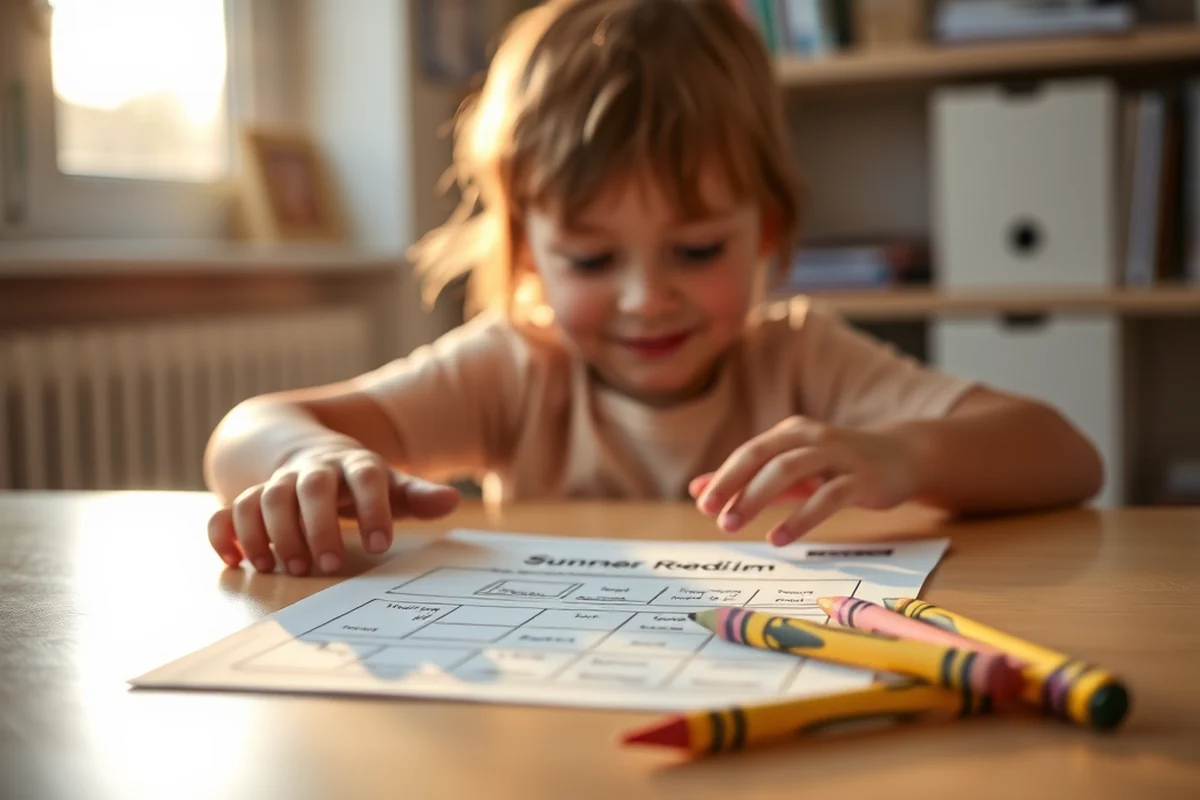
For homeschoolers, summer reading is especially important. Without the structure of a traditional school year, it’s easy for learning to slow down — and that’s where the summer slide can set in. I’ve seen this happen with my own students, and it’s a real concern. Summer reading helps keep their skills active and their curiosity alive.
A good summer reading program doesn’t just focus on reading — it also integrates other subjects. For example, a book about dinosaurs can spark a science unit, while a historical novel can lead to a discussion about geography and culture. This interdisciplinary approach keeps learning fun and relevant.
I once had a student who was reading about ancient Egypt during the summer and then launched a full unit on the subject in the fall. It was seamless and exciting. That’s the power of a well-designed summer reading program.
Summer reading isn’t just about keeping up — it’s about getting ahead.
Related: What is reading passages
How to Choose the Right Books for Your Child
Choosing the right books is one of the most important steps in a summer reading program. I always start by looking at what my child is interested in — whether it’s dragons, space, or even sports. When a child reads about something they love, they’re more likely to stay engaged.
I’ve found that book levels matter, too. Using a tool like the Lexile scale helps ensure that books are at the right difficulty level. I’ve seen kids struggle with books that are too hard, and it’s frustrating for them. The right book makes a difference.
I also look for books that have a variety of genres and formats. This keeps the reading experience fresh and prevents burnout. It’s not about reading the same old classics — it’s about discovering new stories and perspectives.
Give your child the freedom to pick books they love. This fosters a genuine interest in reading, which is the key to long-term success.
“I still remember the summer I was in second grade and my teacher handed out a list of books, each with a specific number of…”— Teaching Reading to Homeschoolers editors
Related: Top books to read in 2026
How to Track Progress Without Pressure
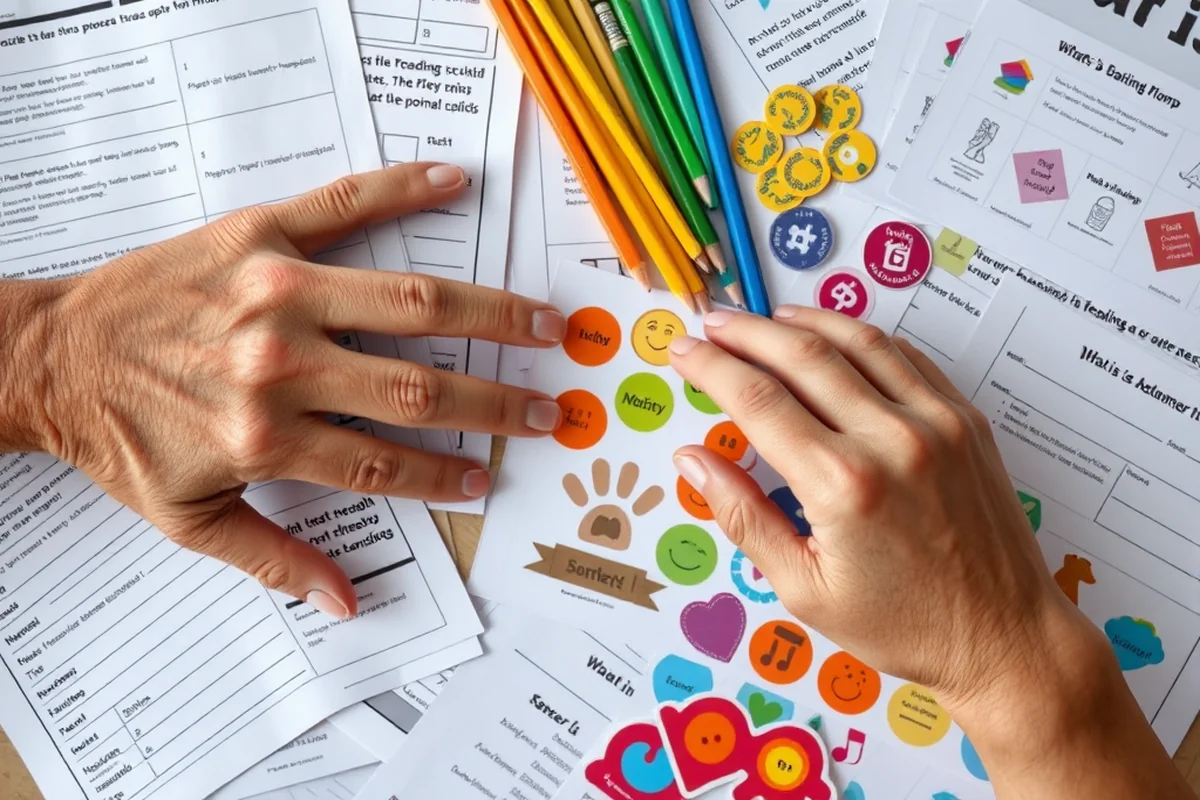
Tracking progress is a key part of any summer reading program, but it doesn’t have to be stressful. I’ve used book logs with my kids, where they write down the title, author, and a few thoughts about the book. It’s a low-pressure way to see how much they’re reading.
I’ve also used reading journals where they can draw, write, or even include a sticker for each book they finish. This makes the process feel more like a game than a task. It’s important to keep the focus on enjoyment, not just completion.
I’ve found that tracking doesn’t have to be done every day. Once a week is enough for most kids. It’s about showing them that they’re making progress, not about making them feel like they’re being watched.
Related: What s in reading pennsylvania
What to Do if Your Child Loses Interest
It’s not uncommon for a child to lose interest in a summer reading program, and that’s okay. I’ve seen it happen with my own kids — sometimes they just need a break. The key is to find new ways to engage them and remind them why reading matters.
One solution is to rotate the books or mix in different types of reading. For example, if a child is stuck on fiction, they might enjoy a nonfiction book or even a graphic novel. I’ve found that giving them choices helps keep the momentum going.
Another idea is to turn reading into a game. I’ve used scavenger hunts where kids look for specific words or themes in books. It’s fun, and it keeps the reading process fresh and exciting.
Related: What is reading universe
How to Motivate Your Child to Read
Motivation is the key to a successful summer reading program, and it starts with making reading feel like an adventure. I’ve used incentives like small rewards for each book they finish — things like stickers, extra screen time, or even a special treat. It’s not about bribing them, but about giving them a reason to keep going.
I’ve also used reading challenges, like a 30-day reading challenge with different themes each week. This keeps things interesting and gives kids a sense of accomplishment. I’ve seen kids who used to hate reading finish a book every day just to earn a badge.[3]
Another way to motivate is to read together. I’ve had my kids read aloud to me, and it’s a great way to model reading and build confidence. It’s also a chance to talk about the story and share thoughts, which makes the experience more personal and meaningful.
Reading is a journey — and the best journeys are those we take together.
Related: How to read alouds for kids
How to Make Summer Reading a Family Activity
Summer reading doesn’t have to be a solo activity. In fact, making it a family affair can be a great way to keep everyone involved. I’ve had my kids read aloud to me, and I’ve even set up family reading nights where we all read different books and then discuss them. It’s a great way to bond and share stories.
I’ve also used reading as a way to connect with other families. We’ve had reading clubs where we meet once a week and discuss the books we’re reading. It’s a fun way to encourage discussion and build a sense of community.
Another idea is to make reading a part of your family’s daily routine. I’ve found that setting aside 15 minutes a day for reading — even if it’s just a few pages — helps keep the habit going. It’s not about the quantity, but the consistency.[4]
📚 Younger Kids Summer Reading
For ages 3-6, focus on picture books, phonics, and interactive stories. Use simple logs and rewards to track progress.
📖 Older Kids Summer Reading
For ages 7-12, choose chapter books and nonfiction. Include book clubs or reading journals for deeper engagement.
⚡ No-Prep Summer Reading
Use free printable book logs and let your child choose any books they love. No extra supplies needed.
👥 Group Summer Reading
Create a reading club with friends or family. Meet weekly to discuss books and share favorite parts.
📈 Extension Summer Reading
Add science experiments or creative writing to books. This turns reading into a full learning experience.
| The mistake | Why it happens | The fix |
|---|---|---|
| Choosing books that are too hard or too easy | This can make reading feel frustrating or boring, leading to a loss of interest. | Use book level tools like the Lexile scale to ensure books are at the right difficulty level. |
| Forcing your child to read every day | This can create burnout and make reading feel like a chore rather than a joy. | Let your child choose when and how much they want to read. Encourage, but don’t force. |
| Not tracking progress | Without tracking, it’s hard to see if your child is making progress or if adjustments are needed. | Use a simple book log or reading journal to track what your child reads and how they feel about it. |
| Ignoring your child’s interests | If your child isn’t interested in the books you choose, they’re less likely to read and enjoy the experience. | Let your child choose books that they love. This builds a genuine connection to reading. |
What Is A Summer Reading Program
Common Questions
How long should a summer reading program last?
What if my child doesn’t like reading?
How many books should my child read over the summer?
Can I use a summer reading program for kids who are not in school?
References
- A Meta-Analysis of Summer Reading Benefits and Losses in Grades ... (ies.ed.gov)
- Scaffolding Voluntary Summer Reading for Children in Grades 3 to 5 (dash.harvard.edu)
- Research on Motivation, Literacy, and Reading Development (imls.gov)
- It's Not Too Early to Start Encouraging Summer Reading! (dpi.wi.gov)
Cite this guide
Teaching Reading to Homeschoolers (2026). What Is a Summer Reading Program and Why It Matters for Homeschoolers. https://homeschoolread.com/what-is-a-summer-reading-program/
Feel free to cite or share this guide.
Reading Skills Checklist
Stage-filtered phonics and reading skills checklist for homeschool parents.
Open it free →