
What Is Reading Notebook

📖 Table of Contents
- What Exactly Is a Reading Notebook?
- How to Use a Reading Notebook
- Why Reading Notebooks Are Effective for Homeschooling
- How to Create a Reading Notebook
- Tips for Using a Reading Notebook
- How Reading Notebooks Support Different Learning Styles
- Making the Most of a Reading Notebook
- Make It Your Way
- Frequently Asked Questions
I remember the first time I saw my daughter's reading notebook — it was a plain, spiral-bound notebook with a few scribbles and a drawing of a cat on the cover. At the time, I didn't understand its purpose, but as I watched her flip through the pages, I realized it was more than just a notebook. It was a window into her thoughts, her imagination, and her growing love for reading. What is a reading notebook? It's a simple, yet powerful tool that brings reading to life in the most personal way. (100%, learningcenter.unc.edu)[1]
Before I had my own child, I was a teacher in a small homeschool co-op. I saw so many parents struggle with finding ways to engage their kids with reading, especially those who were reluctant readers or had learning differences. That's when I first introduced the concept of a reading notebook — not as an assignment, but as an invitation to explore, reflect, and connect with the stories they were reading. It was one of the most transformative things I ever did in my classroom, and it became a cornerstone of my teaching philosophy.[2]
Now, as a homeschooling parent myself, I can't imagine teaching reading without a reading notebook. It's a flexible, adaptable tool that fits any child's learning style, whether they're a visual learner, a kinesthetic learner, or someone who thrives on writing and drawing. What is a reading notebook? It's a space where kids can express what they love about a book, record questions they have, and even create their own stories inspired by what they've read. It's a journey — one that starts with a single page and grows with every book they pick up.[3]
Why You'll Love This Reading Practice Tool
- It's a customizable, creative space for kids to engage with books in a way that feels personal and meaningful.
- It helps track reading progress and reflection over time, making learning visible and tangible.
- It encourages critical thinking and creativity through prompts and activities that spark curiosity.
- It's a low-cost, no-frills approach that can be tailored to any reading level or learning style.
What Exactly Is a Reading Notebook?
As of October 2026, a reading notebook is not a worksheet or an assignment — it's a space for discovery. It can be as simple as a notebook with a few pages, or as elaborate as a binder filled with drawings, questions, and summaries. I've seen notebooks with color-coded sections for different books, pages filled with sticky notes, and even pages with original stories written in the child's own words. It's a personalized space where kids can explore their thoughts and feelings about what they read.
I remember one child who was reluctant to read in class. When I introduced a reading notebook, she started drawing pictures of the characters she liked and writing down her favorite lines. It was the first time she engaged with a book in a way that felt meaningful to her. The notebook became a safe space for her to express her ideas without pressure or judgment.
The beauty of a reading notebook is that it's not one-size-fits-all. It can be tailored to any child's interests, learning style, and developmental stage. Whether it's a young child who loves drawing, or an older child who prefers writing, the reading notebook adapts to the reader.
Give your child a blank notebook and let them choose how they want to use it. Some kids prefer to draw, while others write — let their creativity guide the way.
Part of our Reading strategies guide.
How to Use a Reading Notebook
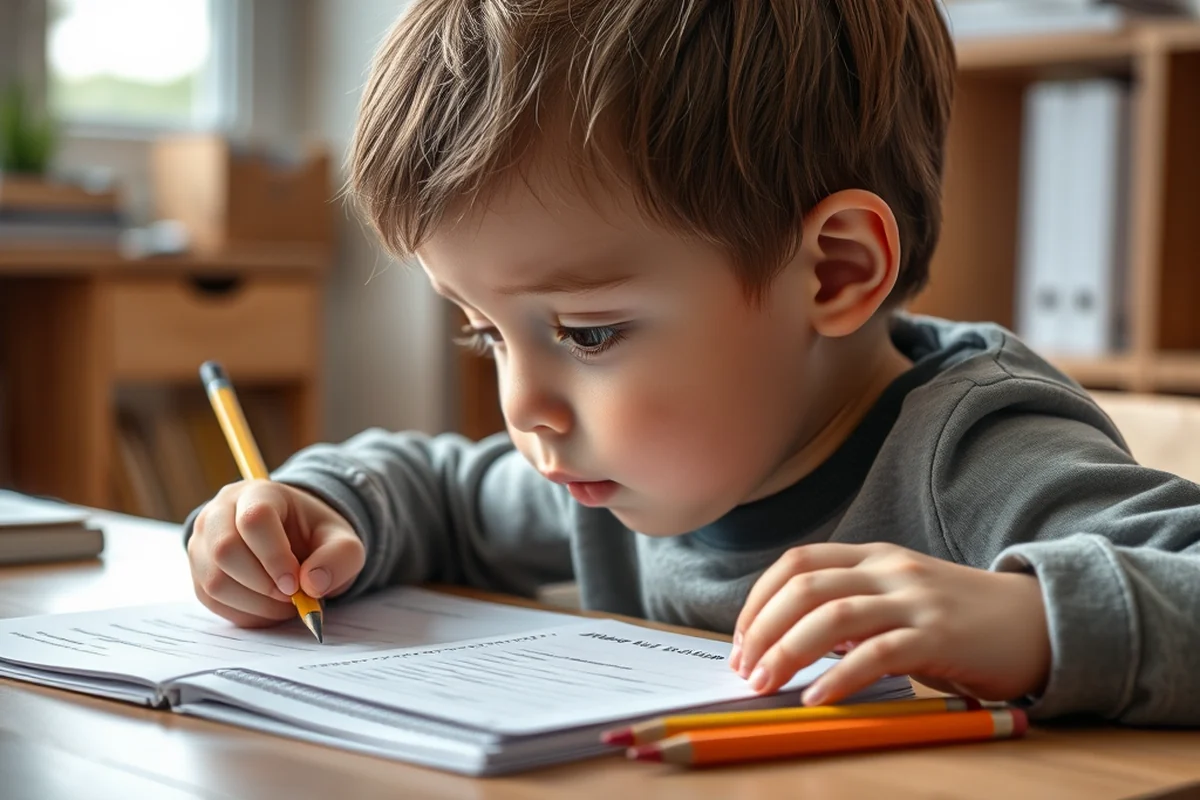
One of the best parts about a reading notebook is that there are no rules about how to use it. Some kids might write down their favorite lines, while others might draw a picture of their favorite character or write a letter to the author. I've even seen students create their own story inspired by the book they read — it's a powerful way to connect with the material.
I like to start with a few prompts to help kids get started, but I also encourage them to use the notebook in their own way. For example, I might ask them to write down three things they learned from a book, or to draw a scene that stood out to them. But over time, the notebook becomes a place where the child takes ownership of their learning and expresses it in their own voice.
What I've noticed is that when kids have the freedom to use the notebook however they want, they're more engaged and more likely to keep using it. It's not about completing an assignment — it's about connecting with the story and expressing their thoughts in a way that feels natural to them.
The notebook is not about right or wrong — it's about what matters most to the reader.
Related: What is in reading ma
Why Reading Notebooks Are Effective for Homeschooling
As a homeschooling parent, I quickly realized that a reading notebook could be one of the most valuable tools in my teaching arsenal. It gives me a way to see exactly what my child is thinking and how they're engaging with the books they read. I can look at their notes, see the pictures they've drawn, and even get a sense of their understanding of the material.
One of the biggest benefits of using a reading notebook is that it allows for individualized learning. If my child is struggling with a particular book, I can look through their notes to see where they might be getting stuck. If they're really enjoying a book, I can see that in their drawings and comments. It's a way to tailor the learning experience to their unique needs and interests.
Another advantage is that a reading notebook helps track progress over time. I can see how their thinking has evolved, how their writing has improved, and even how their creativity has grown. It's a visual record of their learning journey — something that's hard to measure in other ways.
Periodically review your child's reading notebook to see how their thinking has changed over time. It's a great way to celebrate growth and see what they've learned.
“I remember the first time I saw my daughter's reading notebook — it was a plain, spiral-bound notebook with a few scribbles and a drawing…”— Teaching Reading to Homeschoolers editors
Related: What is reading or writing
How to Create a Reading Notebook
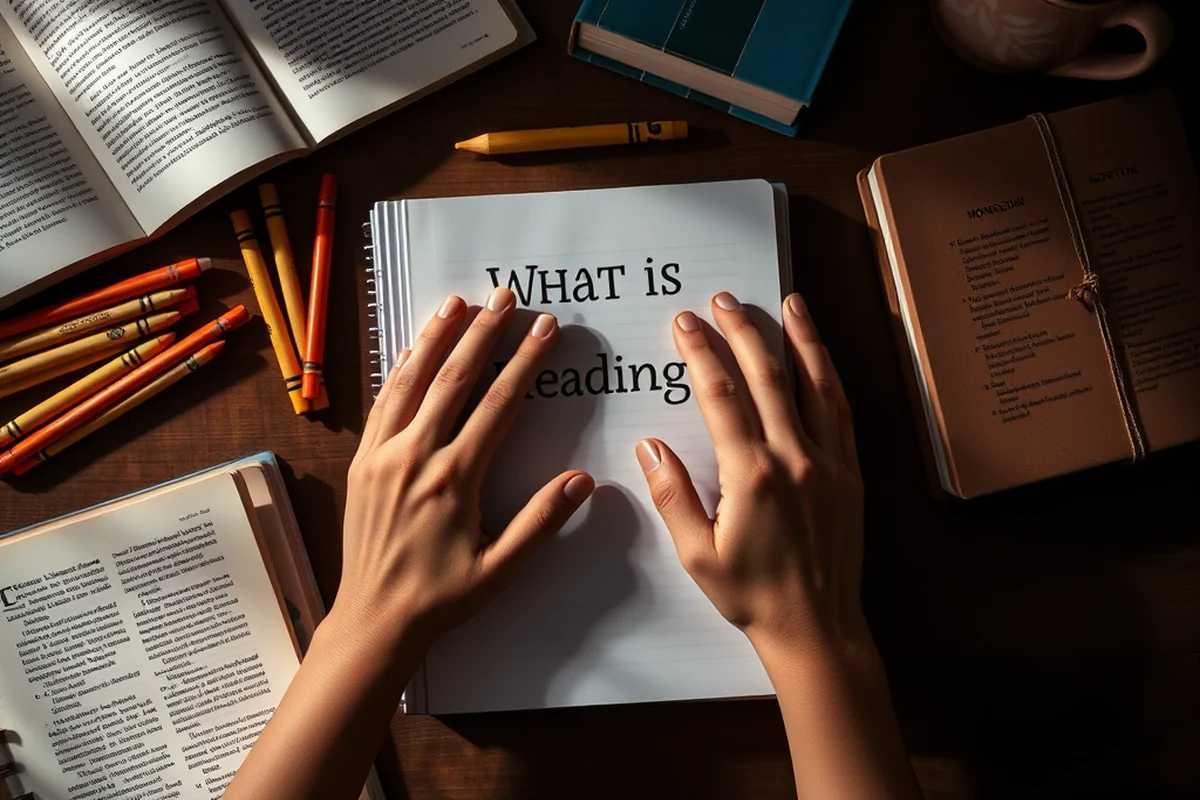
To create a reading notebook, you'll need a notebook — I recommend a spiral-bound one because it's easy to flip through and add pages. You can use a simple notebook with blank pages, or one with lined paper. I've also seen parents use journals with different sections, like one for writing and one for drawing.
In addition to a notebook, you'll need a few basic supplies: pencils, crayons, markers, and maybe a highlighter. I like to keep a few different types of paper on hand in case my child wants to glue in images or write on a different kind of paper. But honestly, the notebook doesn't need to be fancy — the key is that it's a space the child feels comfortable using.
I've seen some parents use printable templates, but I've found that the best notebooks are the ones that are created by the child themselves. It's not about following a specific format — it's about creating a space that feels personal and meaningful.
Related: Best e readers 2025
Tips for Using a Reading Notebook
One of the best tips is to let your child take the lead. If they want to write in the notebook, great — if they want to draw or color, that's even better. The goal is to make the notebook a place where they feel comfortable and excited to share their thoughts.
Another tip is to use the notebook as a way to encourage reflection. You can ask them questions like, 'What did you learn from this book?' or 'What was your favorite part?' These questions can help them think more deeply about what they're reading and how it connects to their own lives.
I also recommend reviewing the notebook with your child regularly. This not only helps you see their progress, but it also gives them a chance to see how their thinking has evolved over time. It's a great way to celebrate their growth and reinforce the value of reading.[4]
Related: What is reading bingo
How Reading Notebooks Support Different Learning Styles
One of the things I love most about reading notebooks is that they can be tailored to different learning styles. For visual learners, the notebook is a place to draw, color, and create diagrams. For auditory learners, they might use the notebook to write down questions they want to ask the author or record their thoughts in an audio format. For kinesthetic learners, they might use the notebook to create hands-on projects or write about the actions they'd take if they were in the story.
I've seen a child who is a visual learner create an entire storyboard for a book they read — it was incredible to see how they interpreted the story through images. Another child, who is more of an auditory learner, used the notebook to write down what they would say to the characters in the book. It was amazing to see how they engaged with the material in a way that felt natural to them.
What I've learned is that a reading notebook doesn't need to be the same for every child. It's a tool that can be adapted to meet the needs of different learners, making it one of the most valuable resources I've used in my teaching.
A reading notebook is not a one-size-fits-all tool — it's a space that can be tailored to every child's unique learning style.
Related: What is in reading today
Making the Most of a Reading Notebook
The key to making the most of a reading notebook is to encourage creativity and personal expression. I've seen some kids use their notebooks to write their own stories inspired by the books they read, while others use them to create illustrations or even write letters to the author. It's a space where they can explore their thoughts and ideas in a way that feels meaningful to them.
I've also found that reviewing the notebook with the child on a regular basis helps them see their own growth and progress. It's a way to celebrate their achievements and see how their thinking has evolved over time. It's also a great opportunity to discuss what they've learned and how they've applied it to their own lives.
What I've learned is that a reading notebook is not about perfection — it's about engagement and connection. When a child feels that their notebook is a place where they can express their thoughts freely, it becomes one of the most valuable tools in their learning journey.
🎨 Younger Kids' Reading Notebook
Designed for children under 8, this version focuses on drawing, coloring, and simple reflections. It's perfect for beginning readers and those who learn best through play.
📚 Older Kids' Reading Notebook
Ideal for children ages 8 and up, this version includes prompts for deeper thinking, summaries, and creative responses. It's great for middle and high school students.
📄 No-Prep Reading Notebook
This version uses only a notebook and basic supplies. It's perfect for parents who want a low-effort, high-impact approach to reading.
👥 Group Reading Notebook
Designed for group settings, this version encourages collaboration, discussion, and shared reflections. It's ideal for co-ops and small group learning.
🔍 Reading Notebook Extension
This version includes additional prompts for advanced learners, such as character analysis, theme exploration, and literary devices.
| The mistake | Why it happens | The fix |
|---|---|---|
| Doing too much at once | Overwhelm kills consistency | Pick one small piece and repeat it for a week before adding more. |
| Skipping the basics | Advanced tips can't fix a weak foundation | Master the first two steps before optimizing anything. |
What Is Reading Notebook
Common Questions
Can a reading notebook be used for non-fiction books as well?
How often should my child use their reading notebook?
What if my child doesn't want to use the notebook?
Can a reading notebook be used for multiple books?
References
- Taking Notes While Reading - UNC Learning Center (learningcenter.unc.edu)
- 2025 Ohio's Plan to Raise Literacy Achievement (education.ohio.gov)
- Evidence-Based and Promising Practices to Support Continuity of ... (files.eric.ed.gov)
- Research on Motivation, Literacy, and Reading Development (imls.gov)
Cite this guide
Teaching Reading to Homeschoolers (2026). What Is Reading Notebook. https://homeschoolread.com/what-is-reading-notebook/
Feel free to cite or share this guide.
Reading Skills Checklist
Stage-filtered phonics and reading skills checklist for homeschool parents.
Open it free →