
Learning To Read For Kids

📖 Table of Contents
- Starting With Letters: A Foundation for Reading
- Making Reading a Daily Habit
- Sounding Out Words: The Building Blocks of Reading
- Reading with Purpose: Building Comprehension
- Encouraging Independence: Letting Kids Take the Lead
- Creating a Reading-Friendly Environment
- Using Technology to Enhance Learning
- Make It Your Way
- Frequently Asked Questions
When my youngest daughter, Lily, was three, she'd point at every letter on the fridge and say, 'Mama, that's a letter.' I thought it was adorable. I had no idea that was the first step in learning to read for kids. I was clueless about how to help her, until I started researching and experimenting with simple techniques that worked. Now, with a few tools and a lot of patience, we've turned reading into a daily joy.[3]
Learning to read for kids isn't just about recognizing letters — it's about making connections between symbols, sounds, and meaning. It's about turning a child's curiosity into a lifelong love of learning. In our home, we've found that consistency and creativity are the keys. We use books, games, and even the grocery store as opportunities to teach reading in a way that feels natural and fun.[4]
Over the past year, we've tried a variety of methods — some that worked, some that didn't. What I've learned is that learning to read for kids is a process that requires more than just flashcards or workbooks. It's about engagement, repetition, and most importantly, making reading a part of everyday life. With the right approach, even the youngest learners can begin to read with confidence.
Why You'll Love This Approach To Learning To Read For Kids
- Simple, actionable strategies that work with everyday routines
- Activities that are fun and can be done in just 10 minutes a day
- No need for expensive materials — most items are free or repurposed
- Clear progress tracking and easy to adjust based on your child's pace
Starting With Letters: A Foundation for Reading
As of November 2026, Introducing letters to young children should be playful and interactive. I use letter blocks, flashcards, and even the alphabet song to help Lily understand the shapes and sounds. She loves tracing letters in the air and on the floor, which helps her connect the visual and kinesthetic aspects of learning.
I discovered that repetition is key. We play a game called 'Letter Hunt' where we look for letters around the house. Every time we spot an 'A' or a 'B,' we cheer. This not only reinforces letter recognition but also makes learning fun and engaging.
The first time Lily spelled her name on her own, it was a small victory — one that showed me how important consistent practice is. Even if she only recognizes a few letters at first, the process of learning is what matters.
Look for letters on cereal boxes, street signs, and even your phone. Use them as teaching moments — they’re all around you.
Part of our Reading strategies guide.
Making Reading a Daily Habit
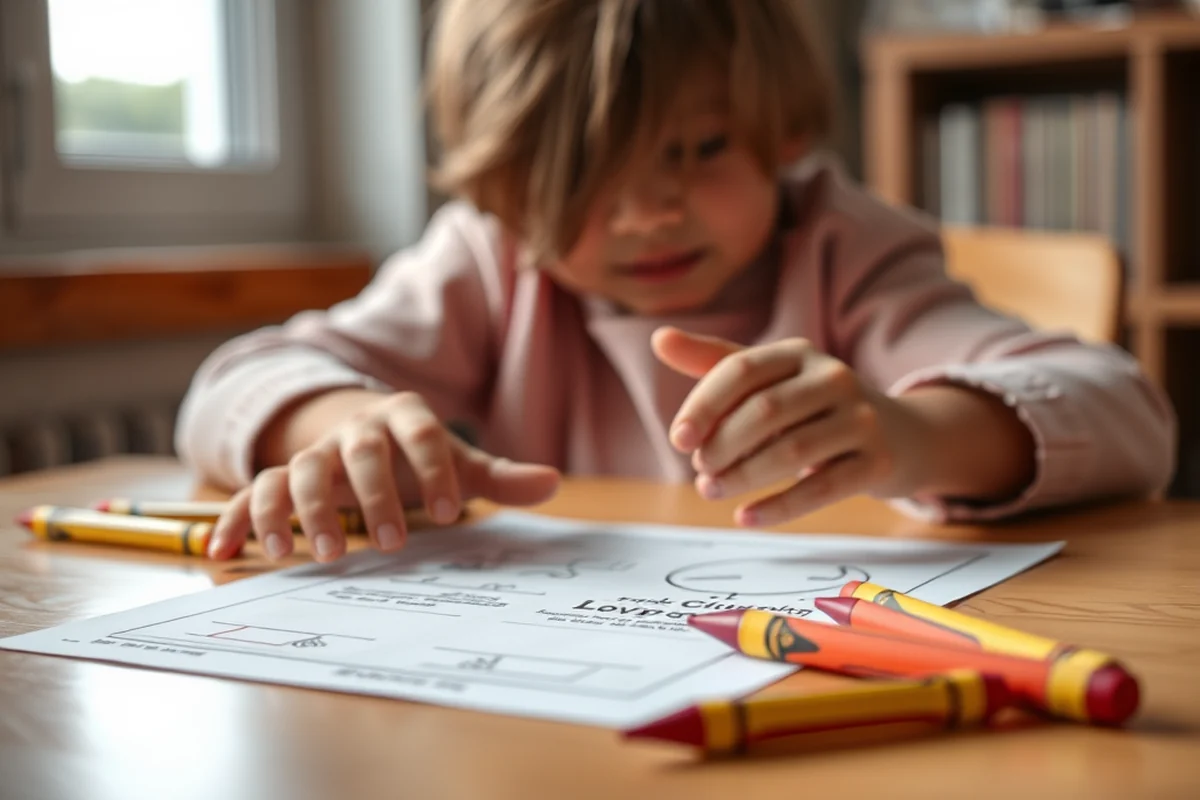
I found that setting a daily reading time — even if it's just 10 minutes — helps create a habit. We read together in the morning before breakfast, and I make sure to choose books that interest Lily. Whether it's a picture book or a story with a familiar character, she looks forward to it.[1]
I also use a reading tracker that we hang on the fridge. Every time we read, we add a sticker to the chart. It’s a simple way to show her progress and keep her motivated. The first time she reached 30 stickers, she beamed with pride — it was a moment I won’t forget.[2]
I’ve noticed that when we read regularly, Lily begins to recognize words she hasn’t seen before. It’s like her brain is building a library of words, and I can see her confidence growing every day.
Reading is not just about books — it's about building a habit that lasts a lifetime.
Related: Online tarot reading
Sounding Out Words: The Building Blocks of Reading
Once Lily could recognize several letters, I introduced her to phonics. We started with simple CVC (consonant-vowel-consonant) words like 'cat,' 'dog,' and 'man.' I used a deck of flashcards and a set of letter tiles to help her practice blending sounds.
One of the most effective tools I found was a phonics app that allowed Lily to hear the sounds and see the letters. It was interactive and kept her engaged for longer than traditional flashcards. I also made a point to read aloud with her, pointing to each word and saying the sounds together.
After a few weeks of practice, Lily began to sound out simple words on her own. When she spelled 'dog' using the letter tiles, it was a small but significant win. It showed me that phonics can be a powerful tool in learning to read for kids.
Combine visual tools like flashcards with auditory cues by reading aloud and repeating sounds. This helps kids make connections between letters and their sounds.
“When my youngest daughter, Lily, was three, she'd point at every letter on the fridge and say, 'Mama, that's a letter.' I thought it was…”— Teaching Reading to Homeschoolers editors
Related: What is in reading ma
Reading with Purpose: Building Comprehension
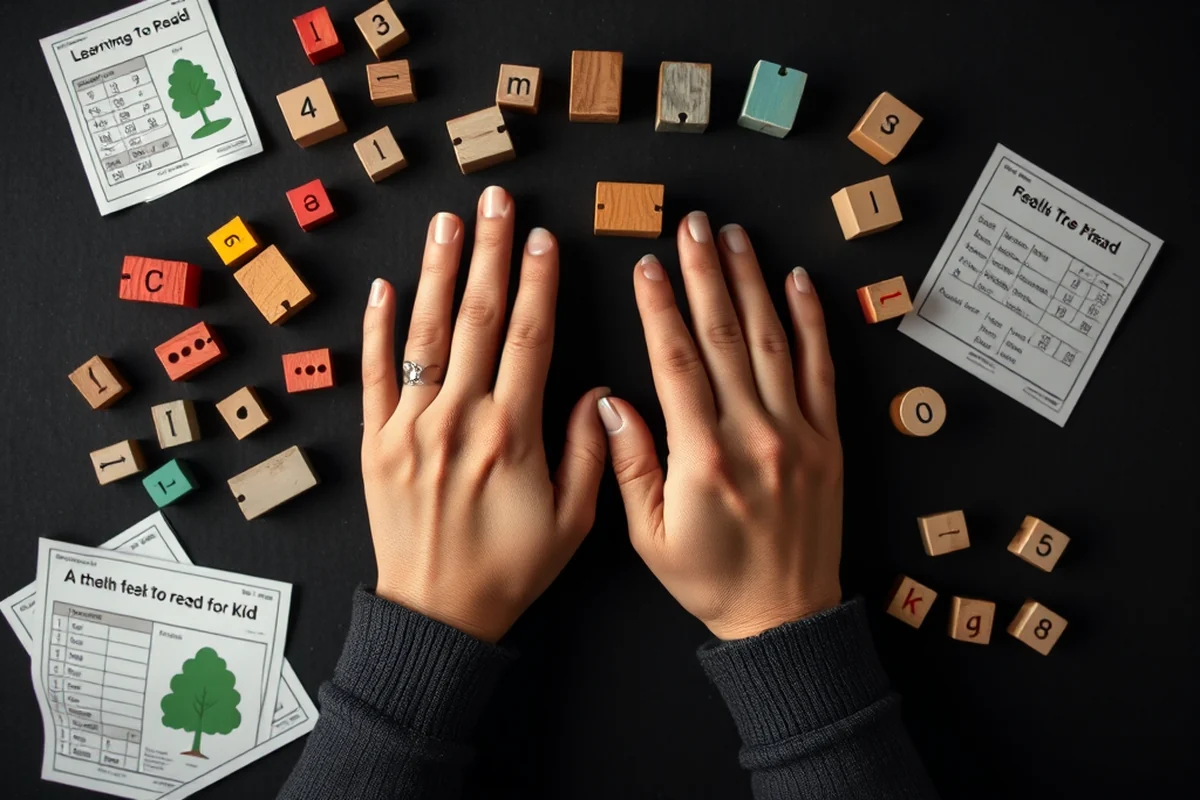
As Lily's reading skills improved, I realized that she was reading the words but not always understanding the stories. I started asking her questions about the books we read. 'What do you think will happen next?' or 'Why do you think the character did that?' helped her think critically about what she was reading.
We also started using a technique called 'retelling.' After reading a book, I ask Lily to tell me the story in her own words. This helps her remember the plot and understand the sequence of events. It's a fun way to practice comprehension and build confidence.
I've noticed that when Lily can retell a story, she's not just reading — she's engaging with the text. It's a simple but effective way to build comprehension and make reading more meaningful.
Related: What is reading or writing
Encouraging Independence: Letting Kids Take the Lead
I’ve found that letting Lily take the lead in her reading journey helps her feel more in control. I give her choices — like picking a book or deciding when to read — and I make sure to celebrate her efforts.
We’ve started a 'Reading Time' in our home where Lily can choose what she wants to read. I’m there to help, but I also let her work through challenges on her own. It's amazing to see how her confidence grows when she can take ownership of her learning.
When she reads independently, I notice that she's not just practicing the mechanics of reading — she's developing a sense of pride and accomplishment. It’s a powerful motivator that keeps her coming back for more.
Related: Best e readers 2025
Creating a Reading-Friendly Environment
I’ve made it a point to surround Lily with books that are accessible and interesting. I set up a small reading nook with a soft rug, a few cushions, and a shelf of books. It's a cozy place where she can read whenever she wants.
I also display books in areas where she spends a lot of time — like the kitchen table and the living room. This helps her see reading as a natural part of daily life, not just an activity that happens in one place.
The more I see Lily reaching for books, the more I know that environment plays a big role in learning to read for kids. A space that encourages reading can help spark a lifelong love of books.
Books don’t have to be in a corner — they can be in the heart of your home.
Related: What is reading bingo
Using Technology to Enhance Learning
I’ve used a few educational apps that have helped Lily practice phonics and reading skills. These apps use games, animations, and interactive stories to keep her engaged and motivated. I make sure to limit screen time, but I’ve found that these tools can be a great supplement to traditional reading activities.
One of the apps I use is a 'Reading Adventure' game where Lily helps a character solve puzzles by reading. It’s a fun way to practice decoding words and building comprehension. I also use online stories that she can read aloud with a voice recorder — it helps her work on pronunciation and fluency.
I’ve noticed that when she uses technology, she’s more willing to practice reading. It’s a way to make learning feel less like a chore and more like a game. Just like any other tool, it’s best used in moderation and with clear goals.
🕵️ Letter Hunt for Younger Kids
A simple game for toddlers that helps them learn letter shapes and sounds through exploration.
🧩 Phonics Puzzle for Older Kids
A hands-on activity that helps children in preschool or kindergarten master blending sounds and building words.
⏰ No-Prep Reading Time
A quick and easy way to create a reading session that requires no planning or materials — just a book and a child.
👥 Group Reading Time
A fun and interactive way to teach reading to multiple children at once, using shared books and activities.
📖 Extension Activity: Story Creation
An advanced activity that encourages kids to write and illustrate their own stories, building both reading and writing skills.
| The mistake | Why it happens | The fix |
|---|---|---|
| Skipping phonics and jumping straight to reading books | Children need to understand how letters make sounds before they can decode words effectively. | Start with phonics games and letter recognition before moving on to reading books. |
| Only reading at the same time every day | Children may become bored or resistant if they're forced to read at the same time every day without variation. | Offer flexibility in reading times and allow the child to choose when they want to read. |
| Using too many different methods at once | Too many tools or techniques can overwhelm a child and make it harder for them to focus on learning. | Stick to one or two core methods and gradually introduce new ones as the child progresses. |
| Neglecting to celebrate progress | Children who don’t see their progress may lose motivation and become discouraged. | Celebrate every small achievement with praise, stickers, or a simple reward system. |
Learning To Read For Kids
Common Questions
How long does it take for a child to learn to read?
What if my child isn’t interested in books?
How can I help my child if they’re struggling with phonics?
Can I teach my child to read without any special tools?
References
- Early Literacy - First Things First (azftf.gov)
- How to Help Kids Become Better Readers - Boston University (bu.edu)
- Developing an Early Love of Reading (cehd.udel.edu)
- The Importance of Reading with Children and Young Adults (cune.edu)
Cite this guide
Teaching Reading to Homeschoolers (2026). Learning To Read For Kids. https://homeschoolread.com/learning-to-read-for-kids/
Feel free to cite or share this guide.
Reading Skills Checklist
Stage-filtered phonics and reading skills checklist for homeschool parents.
Open it free →